What Is Heat Recovery?
In its broadest sense, heat recovery is the process of capturing thermal energy (heat) that would otherwise be rejected or wasted by a system, such as an air conditioner, building ventilation exhaust, or industrial process, and redirecting it to be used for another beneficial purpose elsewhere in the facility or local community.
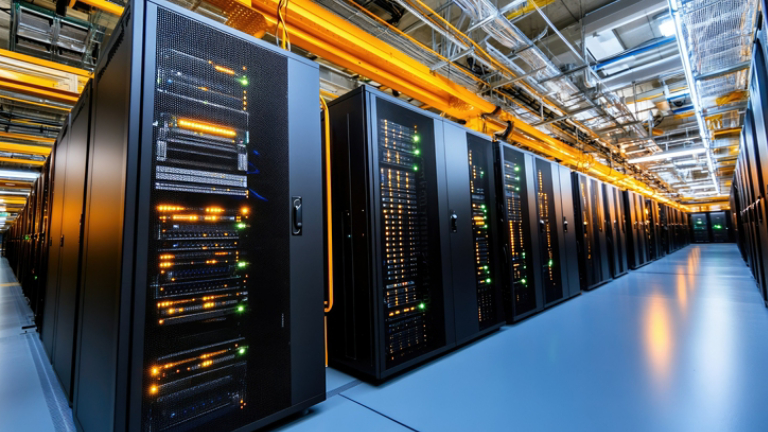
Within modern, high-efficiency digital-era applications, heat recovery can be more specifically defined as the process of capturing waste heat generated by data center equipment and reusing it for another purpose, such as building heating, domestic hot water, or industrial processes.
Historically, HVAC systems were designed to treat heating and cooling as entirely separate needs. Cooling systems worked to collect heat from inside a building or server room and expel it directly into the atmosphere, letting that energy go to waste. Heat recovery transforms this paradigm. Instead of treating excess thermal energy as a useless byproduct to be discarded, heat recovery treats it as a valuable, pre-heated energy resource.
Two Common Applications of Heat Recovery
Data Center Heat Recovery: Turning Thermal Waste into Power
With the explosive growth of high-performance computing, artificial intelligence (AI), and next-generation chips, data center densities are skyrocketing. The U.S. Department of Energy (DOE) reports that data centers are projected to consume up to 12% of total U.S. electricity by 2028.
Because nearly 100% of the electricity running through IT servers is converted into thermal energy, data centers are massive, continuous producers of heat. Trane views data centers not just as high-intensity energy consumers, but as critical components of a larger, interconnected energy network. Through data center heat recovery, facilities can give back to their surrounding environments:
- Capturing low- and high-grade heat: By utilizing advanced cooling strategies, including liquid cooling, immersion cooling, and high-efficiency water-cooled chillers, Trane heat recovery systems capture thermal energy directly from the source.
- Reusing the BTUs: Once captured, this heat can be redirected. High-grade heat from liquid-cooled servers can be piped directly into municipal district heating loops, university campuses, or nearby hospitals. Low-grade heat can be boosted using industrial heat pumps or water-to-water chillers to heat commercial offices, greenhouses, or manufacturing plants.
- Optimizing efficiency: Integrating heat recovery allows data centers to lower their Power Usage Effectiveness (PUE) and minimize water use, supporting corporate decarbonization goals.
Variable Refrigerant Flow (VRF) Heat Recovery in Systems: Smarter Zoning
For commercial and multi-zone buildings, VRF systems with heat recovery represent the pinnacle of precise temperature control and energy efficiency.
Unlike traditional heating and cooling systems that must heat or cool an entire building at once, a VRF system divides a building into distinct zones. Because different areas of a building have different thermal needs, like a sunny corner office requiring cooling while a shaded, north-facing conference room requires heat, a VRF heat recovery system can satisfy both demands simultaneously.
- How VRF heat recovery works: Instead of rejecting the heat captured from cooled spaces to the outdoors, a heat recovery VRF system redirects that thermal energy through refrigerant piping directly to the zones that require heating.
- Decarbonization and electrification: By moving heat from zone to zone rather than generating new heat via fossil-fuel combustion or traditional electric resistance, VRF heat recovery systems operate with unmatched efficiency.
- Trane® / Mitsubishi Electric Solutions: Solutions like the CITY MULTI® VRF and Hybrid VRF (HVRF) systems feature advanced branch controllers that manage this energy transfer seamlessly, helping commercial buildings support electrification and reduce carbon emissions without sacrificing occupant comfort.
Why Choose Heat Recovery?
Integrating heat recovery into your HVAC design is one of the most effective ways to optimize building operations:
- Dramatically lower energy bills: Reusing heat means your boilers, heaters, and chillers don’t have to work as hard, directly cutting your utility expenses.
- Support carbon-reduction goals: Capturing waste heat is a cornerstone of building electrification and decarbonization, replacing fossil-fuel heating with recovered energy.
- Resilient, future-ready infrastructure: As local regulations tighten around carbon emissions and water usage, heat recovery systems help your facilities remain compliant and highly efficient for decades to come.