


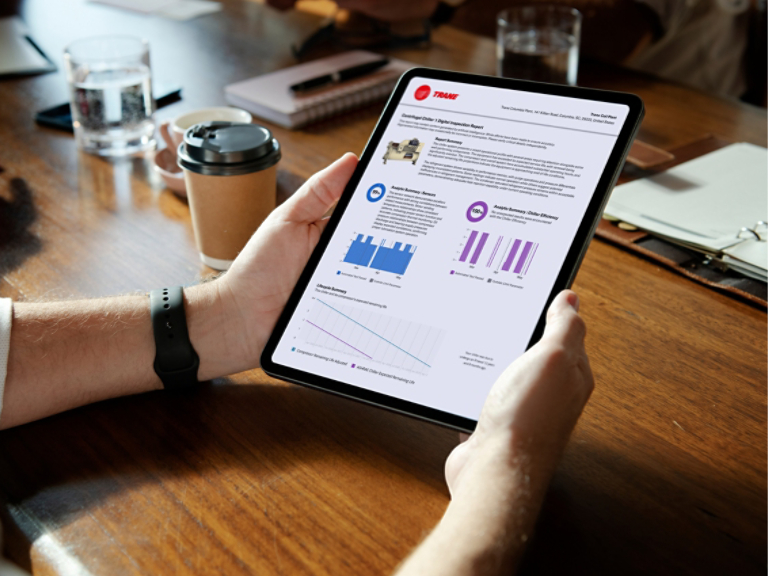

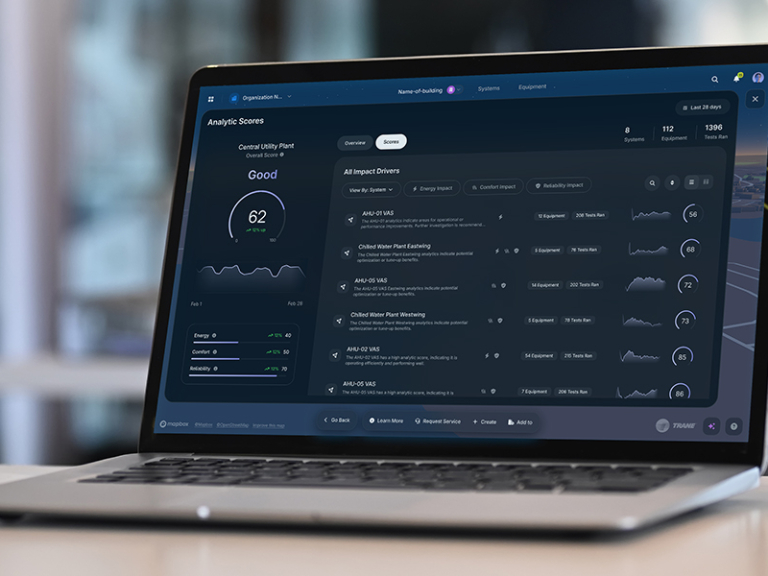




A digital platform is a unified environment that connects building equipment, systems, data, and applications in one place. It enables building teams to monitor performance, manage operations, and optimize building outcomes through a single, connected experience.
Overview
Building operations are becoming more complex. Managing them shouldn’t be.
Buildings generate more data than ever before. But when systems, information and workflows live in different places, more data can create more complexity.
Trane Cloud brings it together.
One digital foundation connects your building ecosystem—making it easier to understand what’s happening, identify what matters and act.
Our Approach
One connected experience across your building lifecycle.
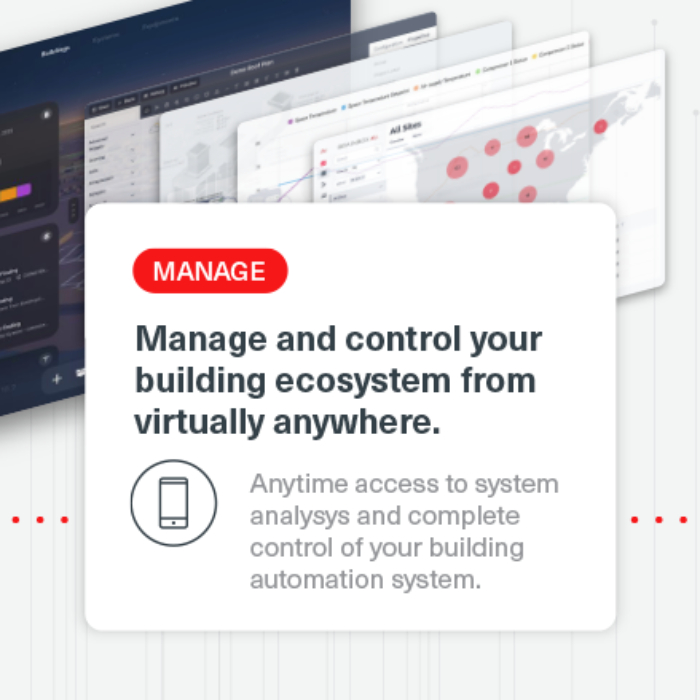
From connecting building and equipment data to maintaining equipment, optimizing performance and managing operations, Trane Cloud provides the digital foundation that helps your strategy evolve.
-
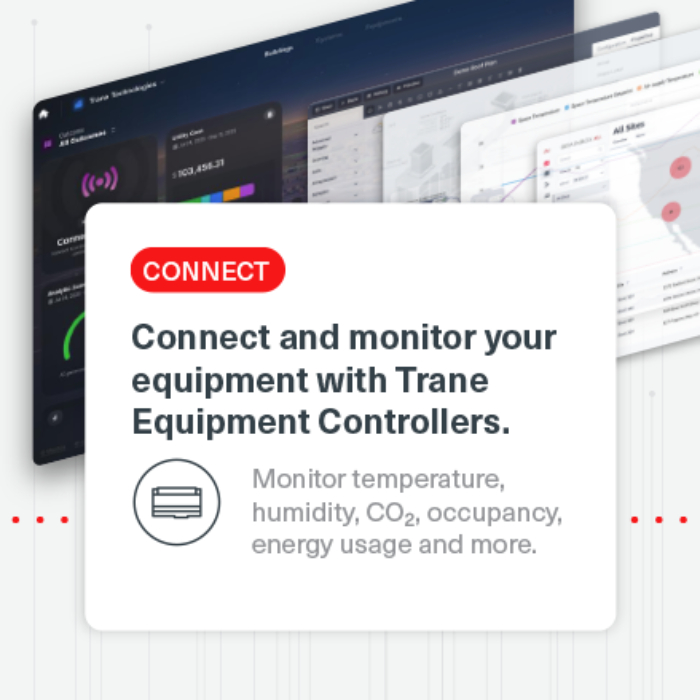
Connect and monitor your building and equipment data to create greater visibility across your operations.
Purpose-built applications. One connected foundation.
Trane Cloud offers a growing suite of outcome-based applications and services that enable teams to operate more efficiently, reliably, sustainably, and comfortably – all on a single digital platform.
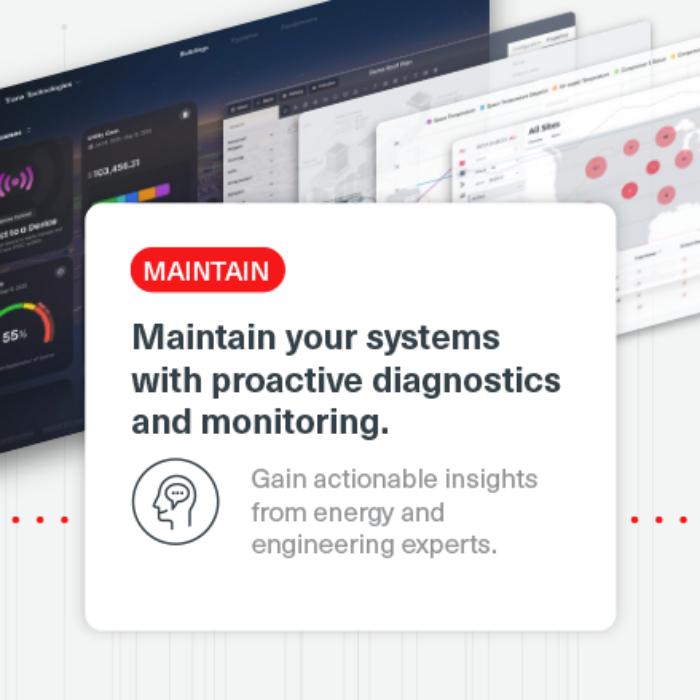
Optimize HVAC equipment, streamline workflows, and boost asset performance with Trane Maintenance Manager.
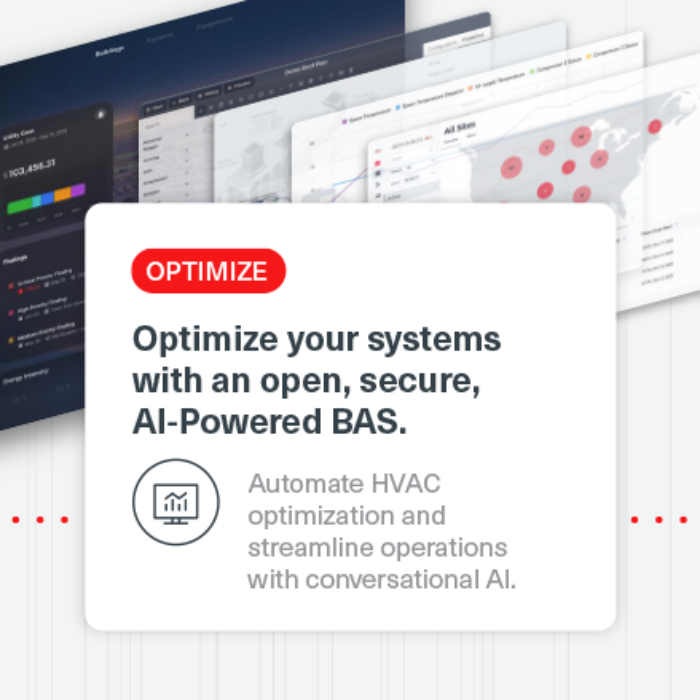
Trane’s Cloud Building Management System offers flexible building management built for long-term scalability, interoperability, and adaptability.
Connected Mechanical Service Agreements
Connected Mechanical Service Agreements deliver continuous data collection and remote HVAC monitoring to improve equipment performance, reliability, and lower costs.
Intelligent Services: Turning Building Performance Into a Strategic Advantage
Transform your building performance with Trane Intelligent Services. Our consultative services inform sustainability planning, system optimization, and much more.
Transform building data into prioritized insights.
Key Features
One foundation. More possibilities.
-

Unified Experience
An integrated operational view across systems and sites.
-

Connected Data Foundation
Bring building, equipment and service data together.
-

Actionable Insights
Turn complex building data into information teams can act on.
-

Scalable Platform
Start with what you need and expand as your operations evolve.
-
Secure by Design
Built with security at the foundation of the experience.
Resources & Insights
Explore what’s possible with Trane Cloud.
-
-
The Future of Smart Buildings: 2026 Predictions
Join Trane and Verdantix for a look at the shift to connected smart buildings. -
Unstoppable Innovation from Trane
The future of building performance, on demand. Explore Trane’s latest innovations in electrified and efficient systems, AI and digital solutions, and data centers.
FAQs
Your top Trane Cloud questions, answered.
A digital platform includes connected data from building systems, scalable architecture, advanced analytics, strong security, and intuitive user interfaces. These characteristics support consistent performance, flexibility, and long-term value.
A digital platform creates value by turning building data into actionable insights that improve efficiency, reliability, sustainability, and occupant comfort. It helps organizations streamline operations, optimize energy usage, reduce risk, and make better decisions across their building portfolios.
Tools for your trade.


Help is closer than you think.
Work with dedicated local Trane representatives who can team with you to solve your problems while providing training and insights.
Find Your Trane Rep