What Is a Carbon Footprint?
A carbon footprint is defined as the total amount of greenhouse gases an organization, product, building, or activity emits over a defined boundary and time period. It's expressed in carbon dioxide equivalents (CO2e), and it aggregates carbon dioxide (CO2), methane (CH4), nitrous oxide (N2O), and other gases using their global warming potentials (GWP).
Carbon Footprint Reporting Categories
Measurement and reporting of an organization's carbon footprint is commonly organized by the Greenhouse Gas Protocol into three categories, or scopes:
- Scope 1: Direct on‑site emissions (e.g., natural gas-powered equipment; refrigerant leaks from HVAC equipment).
- Scope 2: Indirect emissions from purchased electricity, steam, heating, or cooling.
- Scope 3: Other indirect emissions up and down the value chain (e.g., materials, product use, waste and disposal, transportation, travel, and more).
The Relationship Between Carbon Footprint and Commercial HVAC
The HVAC systems and controls an organization uses can have dramatic effects on the size of its carbon footprint. Incorporating smart, sustainable designs in new buildings, and initiating emissions-reducing facilities improvements can help minimize a facility’s carbon footprint.
- Operational energy use: HVAC systems often represent the largest share of a commercial building’s electricity and fuel consumption, strongly influencing Scope 1 (if burning on‑site fuels) and Scope 2 (purchased electricity) emissions.
- Refrigerants: High‑GWP refrigerants used in chillers, rooftop units, variable refrigerant flow (VRF) systems, and split systems contribute to Scope 1 emissions when leaked or during servicing and end‑of‑life. Good refrigerant management can materially reduce a building’s footprint.
- System design and controls: Building and equipment efficiency, right‑sizing, heat recovery, ventilation rates, and building automation sequences determine how much energy is required to meet comfort and indoor air quality (IAQ) goals.
- Electrification and the grid: Transitioning heating from on‑site combustion to high‑efficiency electric heat pumps shifts emissions from Scope 1 to Scope 2 and positions the building to decarbonize as the electric grid gets cleaner.
- Lifecycle impacts: Beyond operations, embodied carbon in equipment and materials (manufacture, transport, installation, and disposal) is part of an organization’s broader carbon profile.
How to Reduce a Carbon Footprint in the Built Environment
Organizations can implement multiple strategies to reduce their carbon footprint, particularly through HVAC system optimization:
- Energy-Efficient Equipment: Energy-efficient HVAC systems use advanced technologies such as variable speed compressors and smart controls to optimize energy usage based on real-time demand. Upgrading to modern systems with technologies like variable refrigerant flow (VRF), high-efficiency heat pumps, or geothermal systems can significantly enhance performance.
- Regular Maintenance: Regular maintenance helps to keep HVACs running efficiently, preventing energy waste and minimizing unnecessary greenhouse gas emissions.
- Smart Controls and Automation: Smart thermostats and building management systems allow facility managers to monitor and control HVAC performance in real time. These technologies adjust temperatures automatically based on occupancy, time of day, or outside weather conditions, which prevents unnecessary energy use and improves indoor comfort.
- Low-GWP Refrigerants: Transitioning to refrigerants with lower global warming potential, such as R-32 or other environmentally friendly alternatives, significantly reduces the climate impact of HVAC operations.
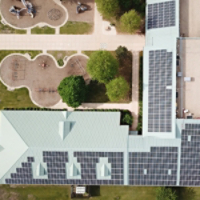
- Renewable Energy Integration: Consider incorporating solar panels, wind turbines, or geothermal systems to generate clean energy on-site. These renewable energy solutions can supplement the energy requirements of your HVAC systems, reducing your reliance on fossil fuels and decreasing carbon emissions.
- LED Lighting Upgrades: Transitioning to LED lighting from less efficient lighting technology can significantly decrease electricity use and improve the experience for building occupants. LED lighting also requires fewer replacements, reducing material waste and disposal.
- Building Envelope Improvements: Improving the building envelope is a valuable strategy to enhance energy efficiency and reduce HVAC-related carbon emissions. Enhancements may include upgrading insulation, sealing air leaks, and installing energy-efficient windows. These measures minimize heat transfer, regulate indoor temperatures, and reduce the workload on HVAC systems.
- Occupancy-Based Controls: Occupancy sensors detect activity within specific building areas and adjust HVAC settings accordingly, ensuring energy is only consumed when needed. Zoning strategies divide the building into separate areas with independent temperature controls, allowing you to optimize heating and cooling based on occupancy and usage patterns.
By implementing these strategies, building owners can achieve substantial carbon reductions, while also benefiting from decreased operating costs, enhanced occupant comfort, and increased resilience. Contact an expert to learn more about our whole-building solutions.
For assistance with calculating your facility's carbon footprint and planning a strategy to reduce it, contact your local Trane representative.