Glossary
Building Automation
What is building automation? Learn the term's meaning and how it can help improve your organization's efficiency.

Quick Facts
Selecting a language changes the language and content on the Trane site.
ComfortSite Login
Trane ComfortSite is an extranet site designed to save you time. With your secure login, you can:
Trane Cloud
Trane Connect is now Trane Cloud—your secure, digital foundation for remotely monitoring and managing building systems, while bringing together insights, applications, and future innovations in one unified experience.

Latin America
Europe
Asia Pacific
Glossary
What is building automation? Learn the term's meaning and how it can help improve your organization's efficiency.
Quick Facts
Building automation is the use of integrated controls, sensors, software, and communications to automatically monitor, control, and optimize building systems, including HVAC, refrigeration, lighting, and access. Building controls solutions, like Trane's Tracer® Concierge Building Automation, are used to meet occupant needs, maintain safety and comfort, and minimize energy use and operating costs.
More advanced controls solutions include building automation systems and building management systems.
Whether you're using only HVAC building automation or a full suite of building controls, building automation can help your organization save energy, money, and time because it
Implementing building automation can help your organization achieve sustainability goals by improving energy efficiency and potentially cutting scope 1 and 2 emissions, depending on your energy source.
To learn more about retrofitting an existing building or campus or to incorporate building automation into new construction, contact your local Trane representative.
Resources & Insights
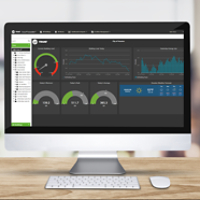

Open distribution in building automation systems
Andrew Disher
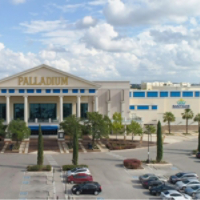

Midland Independent School District: Enhanced Educational Environments through Federal Funding
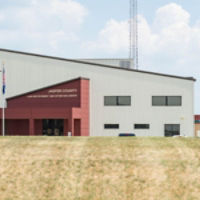
Jasper County Jail Resolves Decades-Long Energy and Indoor Environmental Quality Challenge
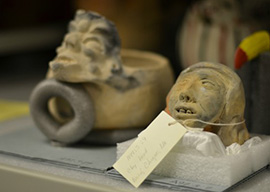
Heat Recovery at Science Museum of Minnesota: Reducing Costs and Carbon Footprint