INTRO
[00:00:00]
Charlie Jelen: Welcome to Cool Air Hot Takes. My name's Charlie Jellin.
Dan Gentry: And I'm Dan Gentry. Every couple of weeks we get together and bring you the latest in HVAC news, some hot takes, and expert interviews with industry leaders.
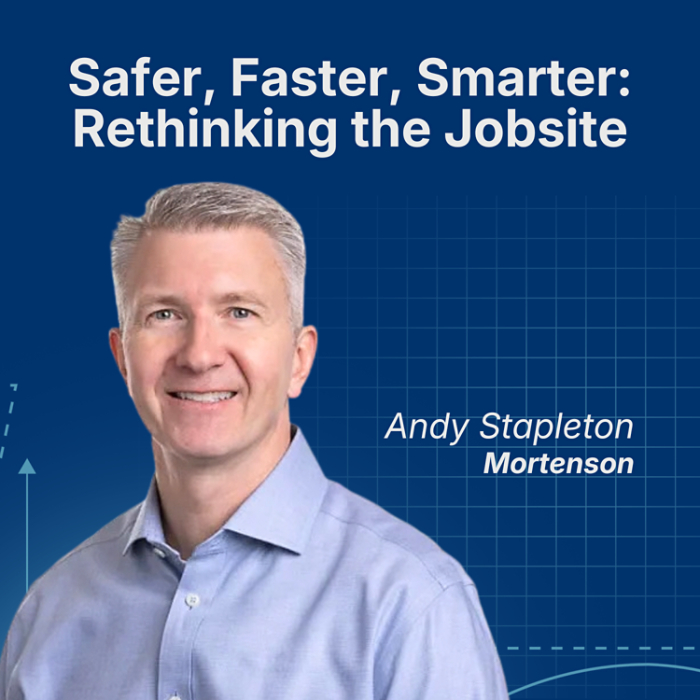
Charlie Jelen: This week, we're joined by Andy Stapleton from Mortenson Construction. We get into what happens when you start
Charlie Jelen: buildings before the design is ever done, and why a billion-dollar project doesn't even count as big anymore
HOT TAKES
Dan Gentry: Hmm. And of course, the latest HVAC headlines and your stat of the day. But first, our hot takes
Charlie Jelen: Hot takes. Me
Dan Gentry: Me first or you first? Yours looks more serious than mine.
Charlie Jelen: Let's see. The notes for the listener here, hot take one, Northern Water Smokehouse, or hot take two, grid stabilization. Which one do you think is gonna be more serious?
Dan Gentry: I'm really into sandwiches. Been getting into sandwiches a lot. I'm really trying to find the best [00:01:00] sandwich.
Charlie Jelen: what I think is funny about this is i- if you haven't caught all of the, uh, fast food references, um, I, I mean, like, when you're looking for a perfect sandwich, like,
Dan Gentry: where's
Charlie Jelen: your bar
Dan Gentry: at? Yeah, I mean, you know what? It's, uh, well, listen,
Charlie Jelen: Shout out to Burger King, though. You,
Dan Gentry: yeah, they make a good
Charlie Jelen: have upped their game.
Dan Gentry: game. I was at McDonald's yesterday, but yes. Free fries, Packers won, you gotta do it, you know. Yeah. So, uh, um, but I'm looking for, like, a good gourmet sandwich, like a nice big pastrami or an Italian, something like that, and-
Charlie Jelen: Yeah. Yeah. Yeah.
Dan Gentry: so we're up in, uh, Duluth last weekend or whatever it was, and friends are like, We gotta go to the Northern Waters Smokehouse." Okay. Get some sandwiches, and they're really talking it up. Like, this is, this is amazing. I'm like, "Okay.
we get these sandwiches, and boy, oh boy, they did not oversell. I got an Italian. and you guys, I'm talking about this sandwich. I'm, like, dying over here just thinking about it. Like, Northern Waters Smokehouse, if you're up in Duluth, it is worth it.
It's might be a wait. You might wanna call ahead, [00:02:00] but oh my gosh. Hot sandwich, hot take, hot sandwich, awesome. I can't-- I like s- I think about this sandwich, like, every day almost.
Charlie Jelen: Funny. when you guys were up there, did you go to OMC at all? Um- OMC stands for Oink Moo
Dan Gentry: Cluck. We went as,
Charlie Jelen: a- Oh, that's right
as a- Yeah, yeah,
Dan Gentry: when we were up there, I think it's still there. think it's still there, right?
were just there.
Charlie Jelen: it's one of my favorite,barbecue places.
Dan Gentry: Duluth is great. It's a great
Charlie Jelen: have to check out Northern Waters.
Dan Gentry: Yes, you have to.
All right. All right. Grid stabilization.
Wanna see this? Let's
Charlie Jelen: on a se- That's serious On a serious note, grid stabilization is going to be a big topic for 2027. That's my hot take. It is going to be a big part of our industry. I think it's gonna be a big business for, for people that take this on. It's certainly gonna be part of our products moving forward.
Dan Gentry: you like talking to insiders or how did you-- Is this just like you're seeing this? This
Charlie Jelen: I'm seeing this hit in real time, and I don't have a ton of information on it, and I, I wanna have a guest come on and speak [00:03:00] to it like a, a true expert. So I'm not gonna get into too many details here, but when you start to look at where data centers are going in, in higher concentration, they're going to start to put out specifications for how long your, data center needs to ride through power, uh, like voltage sags and then like voltage blips.
Mm-hmm.
And so some of these scenarios, it's not hard to do that. Some scenarios it's like equipment is not created to do that.
And, and so it's like, a total outage for two milliseconds, five milliseconds, and then like a 90% sag for a half second, 80% sag for a second. And so it, there's kind of like this ratcheting up. Some of it, uh, equipment is set up to do, or controls can kind of manage through it, but some of it is not.
and if the equipment isn't designed to that, these are obviously new standards- Yeah ... um, that are coming out, that is at the, the grid level that's making this request or requiring this availability.
Dan Gentry: So does that have to be addressed with like the [00:04:00] s- I'll say the chiller design or is that the electrical infrastructure up to the chiller that has to do that or both?
Charlie Jelen: it's gonna be a mixed bag.I think some of it is the size of the data center. Like, if you need to put in battery energy storage, BESS, for the entire chiller plant-
Dan Gentry: That sounds expensive.
Charlie Jelen: and huge, and and like incredibly expensive. Uh,
Dan Gentry: expensive.
Charlie Jelen: so may- maybe that's an option for some smaller data centers or for some smaller infrastructure.
I think this will apply to more than just data centers. Um, you could also potentially have a solution onboard the chiller that just, you know, the chiller rides through or the fan wall rides through or whatever isn't already behind a UPS. Hmm. Just have it ride through. But I think it's gonna be, I think it's gonna be an interesting thing to pay attention to, um, as, as we go forward here, and I think we're gonna find a guest to come talk about it.
Dan Gentry: Hmm.
Interesting. Well, if anybody's got a good guest, Coolair.hottakes@trane.com.
Charlie Jelen: you go. I love it. All right, up next, we got your HVAC [00:05:00] headlines.
HVAC HEADLINES
Charlie Jelen: All right, listener. It's 4:45 in Karachi. Time for your headlines.
And, uh, first up today, Mr. Gentry with
Dan Gentry: headline number one. I think this is a good one. I'm gonna read a couple paragraphs from it that'll summarize it pretty well. Uh, the title is "The Heat Pump Cliff That Wasn't" from ACHR News.
Uh, into the article here. "Let the technology stand on its own feet." "That was the rallying cry from critics." I know.
I just like I
Charlie Jelen: I like that as a first line, "Let the technology stand on its own two feet."
Dan Gentry: I know it. That's why I had to include it,
Charlie Jelen: had to include it. I woulda, I woulda, I woulda read on, for
Dan Gentry: would've read on.
that was from, uh, um, because of the federal heat pump incentive. So take away the tax credit, put the heat pumps on a level playing field, then we'll find out how much consumers really want them. Well, we are finding that out now 'cause we got some data. For three years, homeowners could get as much as $2,000 from Uncle Sam for choosing a qualifying heat pump.
As of January 1st, [00:06:00] that consumer tax incentive disappeared, creating an annual clean real world test of whether demand would crater. Eight months in and it hasn't, and contractors, manufacturers are moving more heat pumps than they were a year ago. Whatever is selling heat pumps in 2026, it is not Washington.
I thought these kind of stats are kind of interesting. I had to throw them in here. While only 53% of homeowners knew about the heat pump tax credit, 80% said they knew what a heat pump is. 50% said they knew what it could do, although when asked if they knew modern heat pumps could handle 100% of the heating load at minus four Fahrenheit, only 4% said they were aware.
So I think awareness of heat pumps and what they actually do is a real thing. I know, like, I was talking to my neighbor about it, and he's like, "You just, like, put it in there and it heats and it cools? It looks just like your old one?" I'm like, "Yeah, that's it." He's like, "Oh, well, that's really cool." I'm like, "Yeah, I know." Um, but what I thought was the interesting thing I noted here is that, for solar, [00:07:00] when the, uh, incentives came away from solar, they say it went off a cliff. Mm-hmm. And that really hasn't happened with heat pumps, which I always kind of was thinking through all these incentives, like, is that-- are people just doing that?
But I guess people really are buying them, which is interesting.
Charlie Jelen: I think it's interesting as well. I always think it's... You know, I wish I had like the second cut of data to know what type of heat pumps people are buying- Ah
because I think uh, the major growth in heat pumps is from mini
Dan Gentry: And, and I was like thinking you were gonna say that. I was like looking over here. I'm like, "You know what? There's-- I want a mini split." Like there's so many good uses for them.
Charlie Jelen: them. There's a ton of good uses. And they're very easy to install, and they do spot cooling or room cooling really, really well.
You don't have to run duct work. Um, a- and so I think that's where the growth is, but it'd be interesting to see the data behind it.
Dan Gentry: Yeah. So there you go.
Charlie Jelen: All right. Next. Headline number two, and actually I got a bonus headline number three
Dan Gentry: Ooh.
Charlie Jelen: Headline number two: Sam Jones wins WorldSkills Gold.
This is from CoolingPost. So Sam [00:08:00] Jones of the United Kingdom has won the gold medal in the refrigeration and air conditioning at WorldSkills Shanghai 2026. Jones, who works for Runcorn-based Industrial Cooling Equipment and was trained at the Practical Refrigeration Training Centre. What a great name, like
Dan Gentry: I mean, I wanna check out the Practical Refrigeration Training Center now. It seems,
Charlie Jelen: it seems like they know what they're doing. Uh, the, the Practical Refrigeration Training Centre is in Burnley. Uh, was announced... the winner today after four days of grueling competition at
Charlie Jelen: Shanghai Shanghai's National Exhibition and Convention Center.
I think this stuff is, kind of fascinating. I would love to go to one of these.
Dan Gentry: I would too. I've, I've seen these, like, on, on YouTube- Yeah ... and it's like, okay, HVAC technician competition.
Charlie Jelen: It'd just be fun to go check it out because the, the whole thing, you can go there and you can go see what they're doing and watch them go to work.
But the, event focuses on practical HVAC [00:09:00] and R, uh, trade skills, which is installing an air-to-water heat pump, to your point, uh, refrigeration system troubleshooting and repair, precision measurement and commissioning, system optimization in real world, fault diagnostics, and then broader skills tied to design, installation, maintenance, and repair.
That's pretty cool.
Dan Gentry: Man, I think we need to take a field trip to one of these and, uh, explore for the show.
Charlie Jelen: I agree. I, I think we need to find some funding for that.
Dan Gentry: I love it.
Charlie Jelen: congrats Sam Jones of the UK. Good work.
Dan Gentry: All right, last one's a quick one because I'm a big sports fan, as are you.
Bonus headline. I love it. Uh,
Charlie Jelen: you know, Trane Technologies and Trane in general, we don't do a whole lot of big marketing. Yeah. Uh, this one is, so Tepper Sports lands a major commitment from Trane Technologies. This is from the "Charlotte Business Journal." Trane Technologies becomes a cornerstone sponsor for the Carolina Panthers and Charlotte FC.
The company will have its name on the stadium's 300 level silver club section in 2029, and then Trane's HVAC systems will be integrated into the $1.3 billion Bank of America stadium [00:10:00] renovation.
Dan Gentry: Nice. Nice work. Yeah. You gotta love watching a game and you get to see the Trane
Charlie Jelen: the- I know. That's-- I'm super excited for that.
And for those of who don't get the connection, Trane Technologies is headquartered in Davidson, North Carolina, so that's the draw to, to the Charlotte and North Carolina
Dan Gentry: there.
Charlie Jelen: There you go.
Uh, next up, we got our interview with Andy Stapleton.
Don't go anywhere
AD BREAK I - new
Charlie Jelen: You ever heard this before, Danny boy? Big performance doesn't need a big footprint.
Dan Gentry: Oh, well then, meet the new Trane Agility TwinPlex magnetic bearing centrifugal chiller.
Charlie Jelen: Built for new construction and retrofit, Agility delivers compact, efficient, sustainable performance, now available up to 800 tons.
Dan Gentry: With TwinPlex, it pairs dual compressors on one proven platform, and with bolt together construction, a narrow footprint, and doorway compatible design, installation gets a whole lot easier.
Charlie Jelen: You know what they say, compact size without the compromise.
Dan Gentry: compromise. They do. And you can learn more about the new Trane [00:11:00] Agility TwinPlex chiller at trane.com/agility.
INTERVIEW WITH ANDY STAPLETON
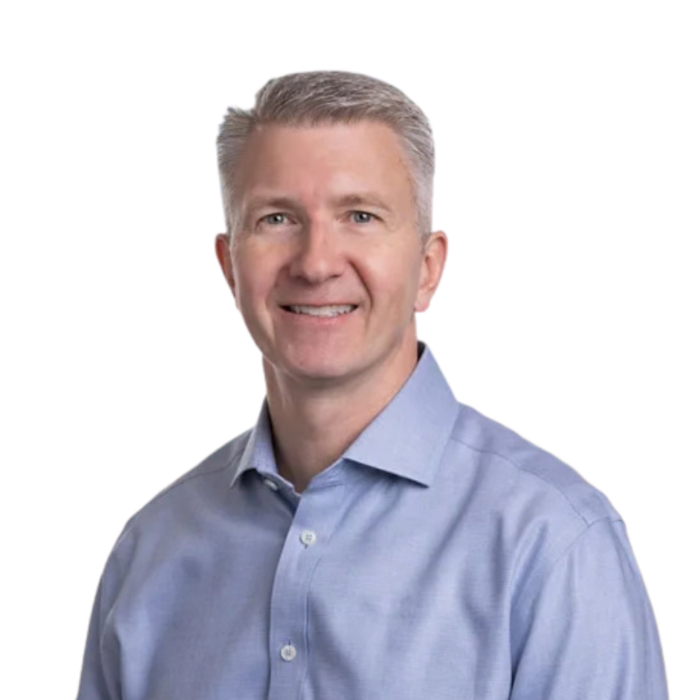
Charlie Jelen: All right, listener. This week's guest has spent 31 years at Mortenson, and he started out building semiconductor fabs from Minnesota all the way to Ireland. Today he leads project development for their advanced manufacturing work, and he's got some strong opinions about where construction is headed.
I'm excited for this one. Welcome to Cool Air Hot Takes, Andy Stapleton. How you doing, Andy?
Andy Stapleton: I'm great. How are you guys?
Dan Gentry: Doing well
Charlie Jelen: Doing well.
Where, where are you calling in from?
Andy Stapleton: Calling in from our headquarters in Minneapolis. Mortenson's based in Minneapolis. Uh, I'm based in Chicago, but I'm up here, um, with the team, so good stuff
Charlie Jelen: Name of the show is Cool Air Hot Take, so this could be anything from your personal life, your professional life, anything in between. Andy, what'd you bring for a hot take today?
Andy Stapleton: My hot take is industrialization through automation
Dan Gentry: Let's peel that back.
Charlie Jelen: [00:12:00] Yeah, we're gonna have to double-click on that one.
Andy Stapleton: bit there, right? Three words, 30 minutes of
Charlie Jelen: that mean in your mind? Why is that a hot take for the industry?
Andy Stapleton: Well, the reason it's a hot take is people have been talking about, um, offsite manufacturing, OSM, in our industry for quite some time. there's no doubt we have a major labor shortage on the construction side.
Um, and also the projects need to move so fast that we need to be building offsite while we're building on-site, so that we can just shrink that... project schedule. Um, so we can do more than just offsite manufacturing. We can do true industrialization, where we're actually manufacturing all of the different components that go into a building, not just the obvious pipe racks or skids or those types of things.
We're trying to push the envelope with, prefabrication. What if we do prefabrication of foundations? What if we manufacture, footings? What if we manufacture, every component offsite and bring it together, and then think of each of those [00:13:00] components totally different?
That's the industrialization side of construction. But if we really wanna,you know, really win at this onshoring aspect, we need to look at the end game too. Uh, the truth is we need automation. Um, and so the more we can do with automation in our facilities, the more we compete globally. So if we can get to market fast through industrialization and construction, and we can automate our processes, there's still a lot of opportunity out there for folks to work in those facilities, but we can have even more facilities because we'll be able to compete.
Charlie Jelen: I love it.
Mm-hmm.
it's a good segue into everything we're gonna talk about with you. So why don't we back up a little bit? Why don't you give the listener what is
mortenson, Construction and, and what's your role with the company?
Andy Stapleton: You know, when we look at Mortenson, we look at the big picture. Um, so we are a developer, we're a property owner, we're a designer, builder, EPC firm. So we really pride ourselves in being a firm that is a full [00:14:00] EPC, turnkey, single source solution.
Charlie Jelen: what's EPC, just for the listener that's not familiar?
Andy Stapleton: Yeah, engineer, procure, construct
Andy Stapleton: And so we do-- we work across all-- many industries. we're talking advanced manufacturing today, but, uh, many people don't realize that over half of our revenue comes from the energy and infrastructure side. So we're very tied into, um, utility scale solar, wind, better energy storage, high voltage transmission, which quite frankly, as we all know nowadays, there's two issues that hold up construction projects: power and labor. So we can satisfy both
Charlie Jelen: historically I think a lot of people think of this as the firms on the construction side that go after projects of this scope, they'd be called the general contractor. What separates the work you guys are doing today from what most people would think of as a general contractor?
Andy Stapleton: Quite frankly,it's early engagement. when I think general contractor, I think of the traditional design, bid, build. an [00:15:00] architecture, engineering firm, uh, designs a project, puts these plans together, and then they issue them. the owner then takes that and says, "Thank you very much," and then puts them out to the street to get a price.
And then a price comes back, and everyone's unhappy because it... because they fell in love with their design. I like to say you should fall in love with your budget. And so we, we get involved early. That's what separates us. We wanna get involved early and be part of the solution. we'll be in the trenches with our design partners, with our customers, with our strategic vendors, and really figure out the solution together.
Charlie Jelen: does that line work at, home, Andy? Just curious.
Andy Stapleton: It does, my friend. There's no better way to get a, uh, to get a kitchen remodel done or a new deck. Fall in love with your budget. That's, that's the message.
Dan Gentry: I'm bringing that one home. I know. I gotta try,
Charlie Jelen: I gotta
Andy Stapleton: there's your hot take.
Dan Gentry: All right, honey. That is-
Charlie Jelen: All right, honey. It's, uh, here's the budget. We're gonna fall in love
Dan Gentry: with it. I love it. You should too.
Andy Stapleton: we like to say in, [00:16:00] in all reality, it prevents... We, we call it like the loop, the loop. You know, if you're moving ahead, you do design bid build, you get some design, you put a budget to it, and then people have to go backwards. And there isn't anyone in any industry that likes rework.
Dan Gentry: like the sell is the customer gets what they want, and then you can deliver it in a better timeline than if they went the, say, traditional route.
Andy Stapleton: Exactly. Exactly
Charlie Jelen: Can you talk about how, how big the company is? Or is that not public?
Andy Stapleton: I can definitely tell you that our revenue last year is what I can talk about. this year we're the, the 10th largest, um, contractor in ENR. we're over 11 billion, and we'll be well over that, so. But it's, it's never been about being the biggest. And I know everybody says that, but it truly is. Um, I think the benefit of being a family-owned business is that the right decisions are made for the future of the company. the family isn't, doesn't have to answer to shareholders. We can do what's right for the long term, and I think that pays [00:17:00] dividends with, you know, people and, uh, the folks that are part of the team here know that they can count on Mortenson for decades to come.
Charlie Jelen: That, that's great. So w- with that, you've been in the industry three decades. what's changed the most in your time?
Andy Stapleton: Well, first of all, I guess probably more than anything is, uh, the use of digital technology, you know, 3D modeling. I've seen quite a change. I mean, in 1999, I was involved in the Walt Disney Concert Hall in Los Angeles. That was, like, you know, cutting edge for using 3D modeling for building buildings.
Charlie Jelen: Cool. Ja
Andy Stapleton: and, you know, just where we've taken it from there has been pretty incredible. I think it's interesting when new tools come out, and people say, "Wow, this tool is incredible."There's a lot of value in having understood how it was done previously when you get the new tool.
Charlie Jelen: Um, I'll give you an example. if you're not in the field, and you don't understand really what you're modeling, you could have a sanitary line, and I think you may know where [00:18:00] this is going. If you're routing pipes up and down around things, you can't do that with a sanitary line.
Andy Stapleton: you've gotta make sure that it flows one direction. You can't go up and down. I've seen people do, you know, 3D modeling and coordination of systems that you need to understand what it is you're drawing in digital,
Charlie Jelen: one of the things you mentioned early on as part of your hot take, you were talking about the size of projects or, the growth of construction,and I'm assuming some of that is in the data center space or in, in large industrial projects.
Uh, talk to us a little bit about what's new for Mortenson. What are some of these mega projects you guys are working on? Maybe not the specifics, but what are you guys implementing that's new to Mortenson and new to the industry?
Andy Stapleton: Well, one of the things I'd probably say is that one of the benefits of, the digital technology is it allows us to try things virtually. one of the phrases that's very popular is digital twin. Um, and what's pretty exciting about that is it allows us to take ideas from the [00:19:00] men and women that are the professionals that really know how to do these systems in the field, and they can just come up with an idea as they're doing something in the field, and it may seem pretty basic, but it can be a game changer. for instance, when you manufacture studs, metal studs, imagine, something as simple as we dimple where all the screws are gonna go, right? So imagine, you know, you're erecting these things in the field. You get a kit of parts. everything's already cut to s- size. You already know where to put the screws. I mean, ideas and things like that, that comes from the professionals in the field. Um, so, I'd say one of the most exciting developments is really the idea of tri-storming at light speed. And, that feedback loop has become incredibly, short and quick.
Charlie Jelen: Try storming
Dan Gentry: I was gonna ask the same thing. Yeah. That's a new one. I, I need to understand that.
Andy Stapleton: Yeah,
it's pretty energizing. Whatever person, [00:20:00] whatever skill, whatever, um, trade person you are in the field, whether you're an electrician, concrete finisher, whatever it is, pipe fitter, as you're doing your job, you're doing this day after day, and, you know better than anyone else what could be done to make it quality better, be safer. and so we're, constantly trying new things. we have, you know, a facility where we just, we're trying stuff. We have an R&D facility. You know, this goes back to when you said general contractor. We're more than that. We're trying to figure out what are all these ideas? We have an entire display of all the ideas, some that worked and some that didn't. But people knowing that if they come up with an idea, it's not just gonna be dropped in some suggestion box. You know what I mean? It's gonna be acted upon. And if it works, it's gonna get im-implemented, and that's pretty awesome. And if it doesn't, they're gonna get feedback of why it didn't, but hey, try again, so
Charlie Jelen: do you have an example that you can think of off the top of your head? Something that has gone through that process of tristorming? you found out a bunch of ways to not do something until you finally found something [00:21:00] like, "Hey, this is, this is a great way to do that. Let's, let's implement it."
Andy Stapleton: I'd give you one that's probably a, it's a little dated 'cause it's been out for a little bit,
But, are you guys familiar with underground concrete duct link? Have you heard of that?
Charlie Jelen: Underground concrete duck link?
Andy Stapleton: Duck bank.
Charlie Jelen: No, no. What's that?
Andy Stapleton: So, you know, when you have these large facilities, you've gotta run major electrical power lines throughout these campuses, these hyper-scale projects, whether they're data centers or factories or whatever.
Charlie Jelen: Ja
Andy Stapleton: And of course, those, by code, you need to encase those in concrete for obvious reasons. So if someone goes to do some excavation, you don't wanna have a safety issue, right, where someone could accidentally pull up a high voltage line And so what happens is you know, the old way is you would, excavate these massive trenches.
Well, imagine going through excavating, laying all these massive cables in there, and then you have to space them apart because they get really hot. You can't lay them on top of each other. You've gotta space them out. And [00:22:00] then you go back and you pour concrete in there. so imagine that operation. You have it in your mind. Well, what about weather? What if you're excavating, you're doing all this, and then it rains, and then the excavation's falling in on itself.There's all these issues. Well, some of our men and women in the field came up with the idea a few years ago, and said, "Man, why don't we just make these into big Lego blocks?
let's make our own factory, and pour these massive sections of concrete like a big Lego block with holes, you know, a conduit embedded." And then that way all you do is you excavate, you drop these pieces in, you pull them together, and you just go, go, go right down the line, and then you backfill.
It's safer. It's faster. It costs less because you're not pouring this extra concrete So that's one I, I always use 'cause I think it's pretty, it's pretty cool to see the impact, and especially it's not glamorous, right? People hear about, prefabricating, these massive pipe racks or clean room, [00:23:00] but I, I love something that appears to be as unglamorous as just a concrete block with conduit in it.
Dan Gentry: Yeah.
Charlie Jelen: simple,
where my head goes is, like, you went from building that on site to building it off site. Like, when do you just integrate all of the componentry, too? when do you include the busway or the cabling, you know, right with it so it's, it's more and more
Dan Gentry: Where does it
end? Yeah.
Charlie Jelen: Yeah.
Andy Stapleton: Yeah, it never ends.
And, and that also goes back to, one of the other phrases I like to use, and I... This one might be mine, but probably not, but, you can't back into prefabrication. so this idea, you can't get all the way down the path of designing a building and then come in at the end and bring in a builder and say, "Hey, I really wanna do this offsite manufacturing prefab."
It's like, well,You've already paid for a design that doesn't factor it in. You need to start from day one and not think about traditional construction, think about traditional walls, foundations, structure, whatever. [00:24:00] You need to think to yourself, "Okay, what's the job to be done?"
what's the purpose of the building? And then let your trade partners, vendors be creative and say, "Okay, the job to be done is this." Well, guess what? What if we completely manufactured this by itself? if we thought ahead of time, we could actually build the building a different way with these different puzzle... it's like let's redefine the puzzle pieces.
Charlie Jelen: yeah, that's, that's really interesting is like you, you go design a building and then i- you don't start with the thought that it's going to be prefabbed or have offsite manufacturing, basically you're stuck. you can only go so far.
I remember hearing about construction projects when I first started, like, 10 years ago, like, a billion dollars was a massive project, and now it's five, 10 times that for these projects. has the financial scale or, maybe the size even of some of these projects, has it changed the way that you guys do business?
Andy Stapleton: Well, two things. You're, you're spot on. I remember when I was doing data [00:25:00] centers, I remember when we did like a two-megawatt data center, and everyone's like, "Whoa, that's megawatts." You know?
Dan Gentry: It's a cute
Andy Stapleton: And then, it was like, "Oh, now we're doing 10 megawatts." And before you know it, they're like, "100," and now we're talking gigawatts.
So to your point, yes. and that's just over the span of the last, you know, 20 years. So that's changed a lot. But in order to man-manage these projects, um, logistics is so important. first and foremost is safety. when you have projects of this size, you have so many team members that are involved in the project that you need to think about each person's role on the project and ensuring that they have an exceptional experience on your project. because if you're gonna have a couple thousand workers on a project, just imagine the difference between a thou- a couple thousand people being miserable and a couple thousand people being happy.
Charlie Jelen: Ja.
Andy Stapleton: That's huge. [00:26:00] And so, just the logistics aspects.first and foremost, you wanna have a safe job. You want people to, go home in better condition than they showed up. The other piece is,because there's a labor shortage, you're in competition with a lot of other sites. people talk, you know, social media, everything else.
You wanna be the site, and, and it's not easy. but it's something that's front of our mind, is you want, there to be chatter, and you want the chatter to be, "You wanna be on a Mortenson job." And nobody's perfect, butwe strive to do that because we realize thatyou wanna have the best talent coming to your project.
that's the biggest thing with these mega projects, I think. And then at the same time, you also look at it, it's still breaking it down. it can be overwhelming to have a project, that's $5 billion or more, but it's still just putting one foot in front of the other.
And so it's, it's kinda finding that balance of recognizing the impact of, managing the [00:27:00] scale, but not being overwhelmed by it.
Charlie Jelen: I guess I never had an appreciation for that until you mentioned it,if a data center is built in the middle of nowhere and the resources are short, and it's a 20-acre, 30-acre project, and you don't have a lot of local resources, and you are competing against other companies doing the exact same thing, and you have to end up moving to an offsite manufacturing model, trying to coordinate all of that work offsite with a massive onsite build has gotta be one of the hardest tasks going on.
Dan Gentry: I mean, it's, it's really a, it's... You're, you're creating a city.
Andy Stapleton: you've gotta take into account, um, paths of travel, where it used to be if you had a smaller project, you'd say, "Okay, where are we gonna have a break area? Oh, let's just put it over here."
But when you have a massive project, and you have all of these team members that need to make their way to and from during break or whatnot, if you have an area for break [00:28:00] that's, just two minutes closer than another area, just do the math.
some of the money that's spent to ensure that, your team members have a safe, great experience is just, it's so worth it, and you get it back in spades.
Andy Stapleton: well.
Charlie Jelen: Yeah. One of my, one of my colleagues was at a,one of these projects recently, and one of the things he said that I thought was... Uh, it's just hard to believe, but it's, it goes back to your safety comment, is that they don't allow ladders on site. And it is-
Dan Gentry: Hmm
Charlie Jelen: a million square feet of facility that's getting developed.
Dan Gentry: ladders. So like man- Not a ladder
Charlie Jelen: not a ladder
Dan Gentry: lifts and man lifts and that, all that kind of
Charlie Jelen: Yeah.
Dan Gentry: Right. Wow. I
Charlie Jelen: Yeah.
Dan Gentry: is a big deal.
Charlie Jelen: It's, it's-- We take it very seriously.
before we wrap up here? What else is Mortenson working on that, that you're excited about, that you're interested in, that's, that's kinda pushing you guys forward?
Dan Gentry: Well, in that same vein, I kinda wanna ask, like, what is the-- Like, what's the future? What's the next big thing? Like- [00:29:00] Yeah
Andy Stapleton: right now, you know, when it comes to manufacturing, we focus on life sciences, semiconductor, and aerospace defense. And it's pretty exciting to see how semiconductors kinda overlaps all those things. this goes back a number of decades,butfirst it was, the next PC to come out, right?
The next Intel chip. Then it was the next iPhone to come out,But now it's, it's tied to everything. I mean, the chips are ubiquitous. They're in everything.
when it comes to life sciences, AI, I think one of the things that's gonna be super exciting is to see how much faster, drugs get to market, The amount of time, for research, um, to develop new drugs in the past, I'm not gonna speculate on the long-- But I mean, we're talking years, right?
And, like, how much faster can drugs get to market, and how much faster are we gonna be needing to build these facilities to support that? Um, I think that's amazing.
And, and then one thing that I would say is kind of an umbrella [00:30:00] for all of those
you used to have data centers, then you had colocation, you know, then the idea of colocation data centers, right? Where enterprise companies didn't have to build their own data center. Now they can just be part of a broader colo. I see that with, you know, life sciences.
I mean, you see it really TSMC, Taiwan Semiconductor. I mean, in essence, they're manufacturing chips for other people. And so it's kind of interesting to think of that same kind of, you know, CDMOs like contract manufacturing for pharmaceutical. That's another thing
they don't have their own drugs. They're making drugs for other people or other products. So this, this whole colo idea is, I think, really fascinating because things are gonna be evolving and changing so fast that you need to build flexibility, and rather than people building their own dedicated facilities, they might have these massive manufacturing centers or manufacturing colos, if you will, where they just take a portion of the buildingand it allows people to be flexible and nimble with their business case.
So that's [00:31:00] what I see.
Magic wand time. If you had a magic wand and you could change one thing overnight about your industry, what would it be? to make it more collaborative, it's amazing when people collaborate how we can solve problems. It's just incredible. but there's a long embedded tradition of, thinking of construction as just this knuckle-to-knuckle battle.
There's so much wasted energy when we're colliding instead of, working together. Now, that doesn't mean we shouldn't challenge each other. Challenging brings better results as well and differing perspectives, but all moving in the same direction. I think there's a lot of people that are looking to do that, and I'm excited for the next generation in that regard.
Charlie Jelen: Mm-hmm
Andy Stapleton: But I think if we'd spend more time building that faster car and less time at a demolition derby, that'd be awesome.
Dan Gentry: All right. Well, we gotta wrap this up. Andy, thank you so much [00:32:00] for coming on. That was a great conversation. Hope you had fun.
Andy Stapleton: I did. Thank you so much. Thank you both
AD BREAK II
Charlie Jelen: Ever feel like managing a building means jumping between too many systems and too much information?
Every day, Danny boy. That's where Trane Cloud comes in.
Dan Gentry: It's a secure digital foundation for smarter building operations, bringing your building data, insights, and applications together in one experience.
Charlie Jelen: So your team can spend less time searching and reacting and more time making more informed decisions?
Dan Gentry: You got it. Smarter operations, better outcomes. Learn more at trane.com/tranecloud.
STAT OF THE DAY
Dan Gentry: Stat of the day. You ready?
Charlie Jelen: I'm ready. Let's do it.
Dan Gentry: it. All right, listener. Well, I got a, good one for you today, I think. It kind of ties in well with what we've been talking about. so what I did, um, got on the Google as one, uh, usually does. And so I was thinking about mega projects, so I Googled the top 10 mega projects in the USA in 2016 and then 2026.
Okay. I'm just kind of curious.
Charlie Jelen: I like it.[00:33:00]
Dan Gentry: So just as an idea for 2016 jobs like the World Trade Center Transportation Hub, State Route 250 Floating Bridge in Seattle, Washington- Whoa ... Hudson Yards in New York-
Charlie Jelen: I know that one.
Dan Gentry: Avenue Subway in New York, um, Denver RTD Fast Tracks.
the Apple Park, you know that, like, uh, futuristic spaceship-looking Apple building?
Charlie Jelen: Oh, okay. Yeah. Um,
Dan Gentry: that was $5 billion, but the other ones I mentioned were around, like, $4 billion. Okay. One of them was 1.2, but they were around the $4 billion range, so we had an idea.
Charlie Jelen: So 20- ... 2016 ... 2016 mega project about $4 billion.
Dan Gentry: Yeah, that's what they're coming up with.
So I looked at 2026 now. First one, this is great. TSMC Arizona fabs, $165 billion. Whoa. Uh, California high-speed rail, 126 billion. JFK Airport, 20 billion. Um, Brightline West high-speed rail, 20 billion. Amazon data center expansions, 15 billion.
[00:34:00] Hudson Tunnel project, 16 billion. So it's kinda crazy the scale of these projects in the billions from, you know, just 10 years ago, from like a few billion to hundreds billions.
Charlie Jelen: Yeah.
Wow, I wonder what... I would love to see, like, the, the main drivers of that, like the labor breakout versus the material
Dan Gentry: Oh.
Charlie Jelen: Yeah, like what-
Dan Gentry: the itemized?
Charlie Jelen: Yeah. What, what's, what's going on here?
Dan Gentry: yeah, kind of interesting. There you go. Yeah.
Charlie Jelen: That's good. Good Stat of the Day. I like it.
Dan Gentry: I thought it was interesting. Tied in well. There you go, guys.
OUTRO
Dan Gentry: Um, with that being said, thanks for listening to this episode of Cool Air Hot Takes.
Remember, new episodes are released every two weeks on Tuesdays.
Charlie Jelen: Leave us a comment on Spotify or YouTube or a review on Apple.
Dan Gentry: Remember, we've got merch. Send us your hot takes to coolair.hottakes@trane.com, and if we feature it on the show, you might just find some of that merch in your mailbox.
Until next time, stay cool and keep those takes [00:35:00] hot.