What Is a Split System?
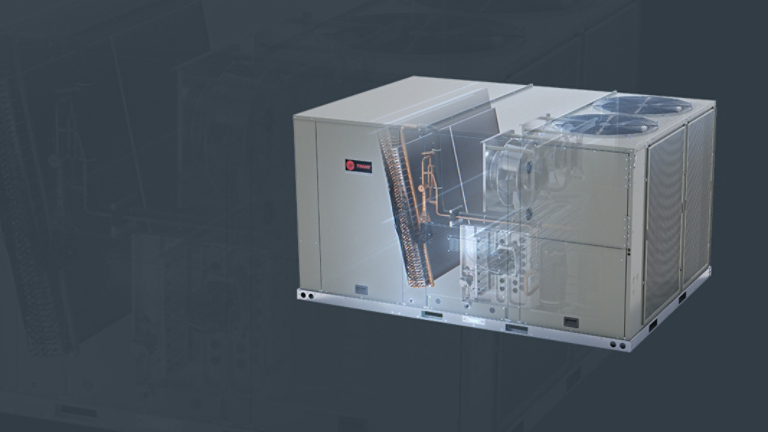
In commercial HVAC, a split system is a heating, ventilation, and air conditioning (HVAC) system that separates its primary components into two distinct units: an indoor unit (typically an air handler, furnace or indoor coil) and an outdoor unit (such as a heat pump or an air-cooled condensing unit). Unlike a packaged unit, which houses all components in a single cabinet on the roof or ground, a split system uses refrigerant lines to connect the indoor and outdoor entities to work together seamlessly to heat and cool a building.
Common Uses for HVAC Split Systems
Because split systems separate the indoor and outdoor equipment, they provide application flexibility. Common commercial use cases include:
- Small retail stores, restaurants, and low‑rise commercial buildings that need reliable local conditioning.
- Tenant spaces or multi‑tenant buildings where per-zone or per-suite equipment and controls are preferred.
- Retrofits or rooftop/rooftop-replacement scenarios where ground-level outdoor units and separate indoor components simplify access and installation.
- Applications requiring flexible, staged capacity – for example, combining multiple split components to meet varying loads across floors or zones.
- Historic buildings and renovations of spaces where adding ductwork is structurally impossible or cost prohibitive.
- Supplying dedicated cooling to critical spaces such as mechanical rooms, server rooms, or distinct building wings that have drastically different temperature requirements than the rest of the facility.
- Pitched-roof buildings such as churches where rooftop units cannot be installed.
Benefits of Installing a Split System
Trane Commercial split systems offer several advantages, especially when used for retrofits and upgrades:
- Installation flexibility and customization: A wide selection of components, including condensing units, heat pumps, air handlers, furnaces and indoor coils, lets designers tailor capacity and features to the building’s needs.
- Energy performance: Systems are offered with efficiency options and modern, low global warming potential (GWP) refrigerants aimed at optimizing energy use and lowering operating costs.
- Dependability: Trane offers reliable, consistent heating and cooling performance suitable for typical commercial applications. Plus, we have a global network of service providers ready to assist with emergency repairs and preventative maintenance.
- Serviceability and safety: Outdoor components and many serviceable parts are at ground level, making them easier and generally safer to install and service than rooftop-only designs. We offer options with standardized cabinets and time‑saving features to simplify installation and servicing.
- Scalability: A componentized approach supports capacity ranges from small (1.5–5 tons) through large commercial capacities (up to 120 tons), enabling phased installations or future expansion.