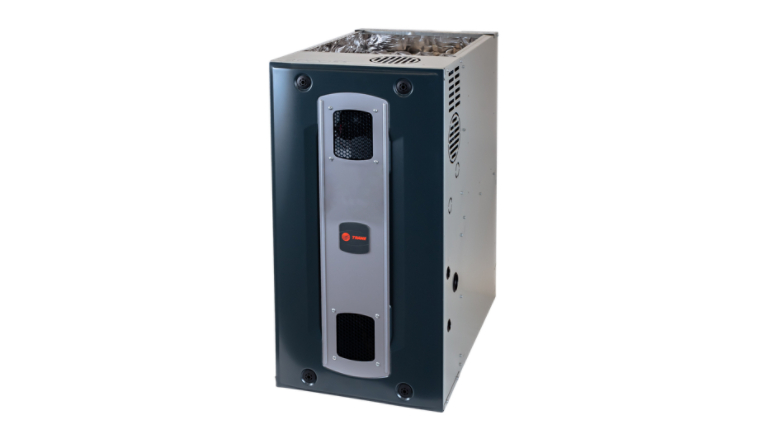
What Is a Furnace?
A furnace is one possible component of an HVAC system that adds heated air to ductwork to the space being heated. A furnace may also include an indoor fan to circulate heated or cooled air via a split system or heat pump. In commercial settings, the furnace may be a standalone indoor unit, part of a packaged rooftop unit (RTU) with cooling or an integrated component of a larger air-handling system.
How Does a Furnace Work?
The fundamental operation of a furnace involves a few key steps:
- The thermostat or zone sensor signals the furnace to activate when the indoor temperature drops below the set point.
- The signal triggers the furnace's burners or heating elements to generate heat by combustion of a fuel source or by electric resistance.
- A blower motor then pushes air across a heat exchanger, where the air absorbs the heat.
- The warmed air is then circulated throughout the building via a system of ducts and vents.
This process continues until the desired temperature is reached.
Types of Furnaces in HVAC Systems:
There are several types of furnaces available, primarily categorized by their fuel source:
- Natural gas: These are a popular and cost-effective option in areas where natural gas is readily available.
- Propane: Propane furnaces offer a viable alternative in locations without access to natural gas.
- Electric: Electric furnaces include one or more resistance type heating elements that heats the air directly or thru a sheath that encloses the element. Electric heating is a good option where other fuel sources are not available, though they may have higher operating costs.
- Oil: Oil furnaces are another option for areas without natural gas access and can effectively heat large spaces.
- Dual-fuel systems: These systems combine an electric heat pump with a gas furnace. The system automatically switches between the two fuel sources based on the outdoor temperature, optimizing energy efficiency and cost savings.
Common Commercial Furnace Configurations
- Gas/electric RTUs: Packaged units that combine a direct-expansion (DX) cooling section with a gas-fired furnace for heat; widely used on low- to mid-rise commercial buildings.
- Make-up air units (MAUs)/dedicated outdoor air systems (DOAS): Provide tempered or fully heated ventilation air; often use gas-fired furnace sections.
- Split systems with furnace: An indoor gas furnace paired with an outdoor condensing unit for cooling (more typical in light commercial or residential).
- Unit heaters: Gas-fired or electric fan-forced heaters for warehouses and large open areas.
Reasons to Use a Furnace in Commercial HVAC Systems
For commercial properties, integrating a furnace into the HVAC system can offer several advantages:
- Fast, robust heating: Rapid warm-up and high supply-air temperatures for cold climates or buildings with frequent door openings (retail, warehouses).
- Lower first cost and simplicity: Especially with RTUs, installation is straightforward and service is familiar to many contractors.
- Fuel flexibility and operating cost: Where gas is available and rates are favorable, operating costs can be competitive compared to electric resistance.
- High turndown and comfort control: Modern modulating furnaces with variable-speed fans can maintain tighter temperatures and reduce stratification.
- Integration with ventilation: Furnace sections in MAUs/DOAS can efficiently temper large volumes of outside air for code-required ventilation.
Resources for Furnaces
Modern commercial furnaces are more energy efficient than their older counterparts and can be an integral part of an efficient HVAC system. To determine whether your facility would benefit from a commercial furnace, contact your local Trane representative today.