There are no products that meet this criteria; please broaden your filters to see products
We use cookies to enhance your experience on our website. By clicking '' or by continuing to use our website, you are agreeing to our use of cookies. You can change your cookie settings at any time.
Heat Pumps
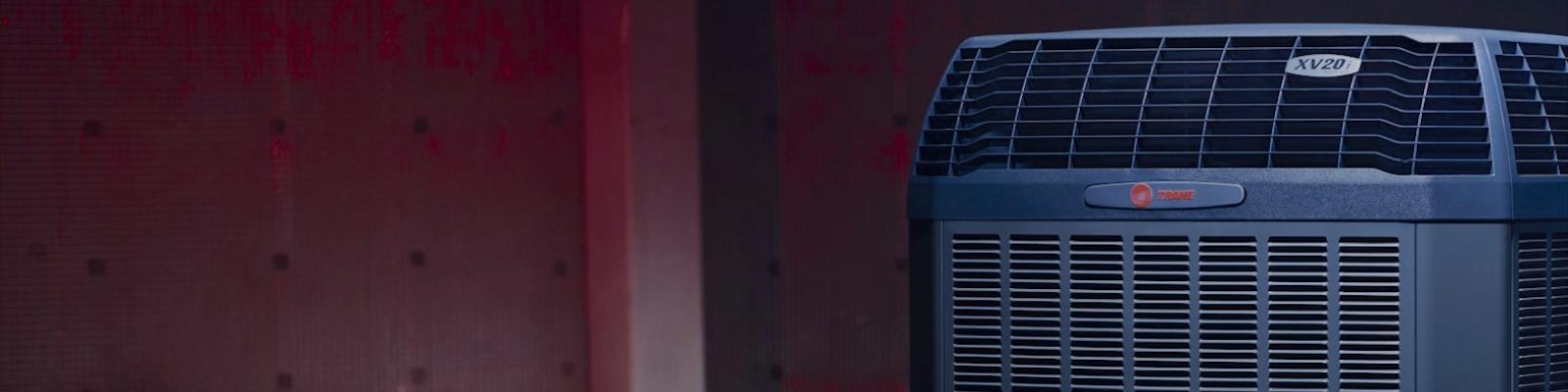
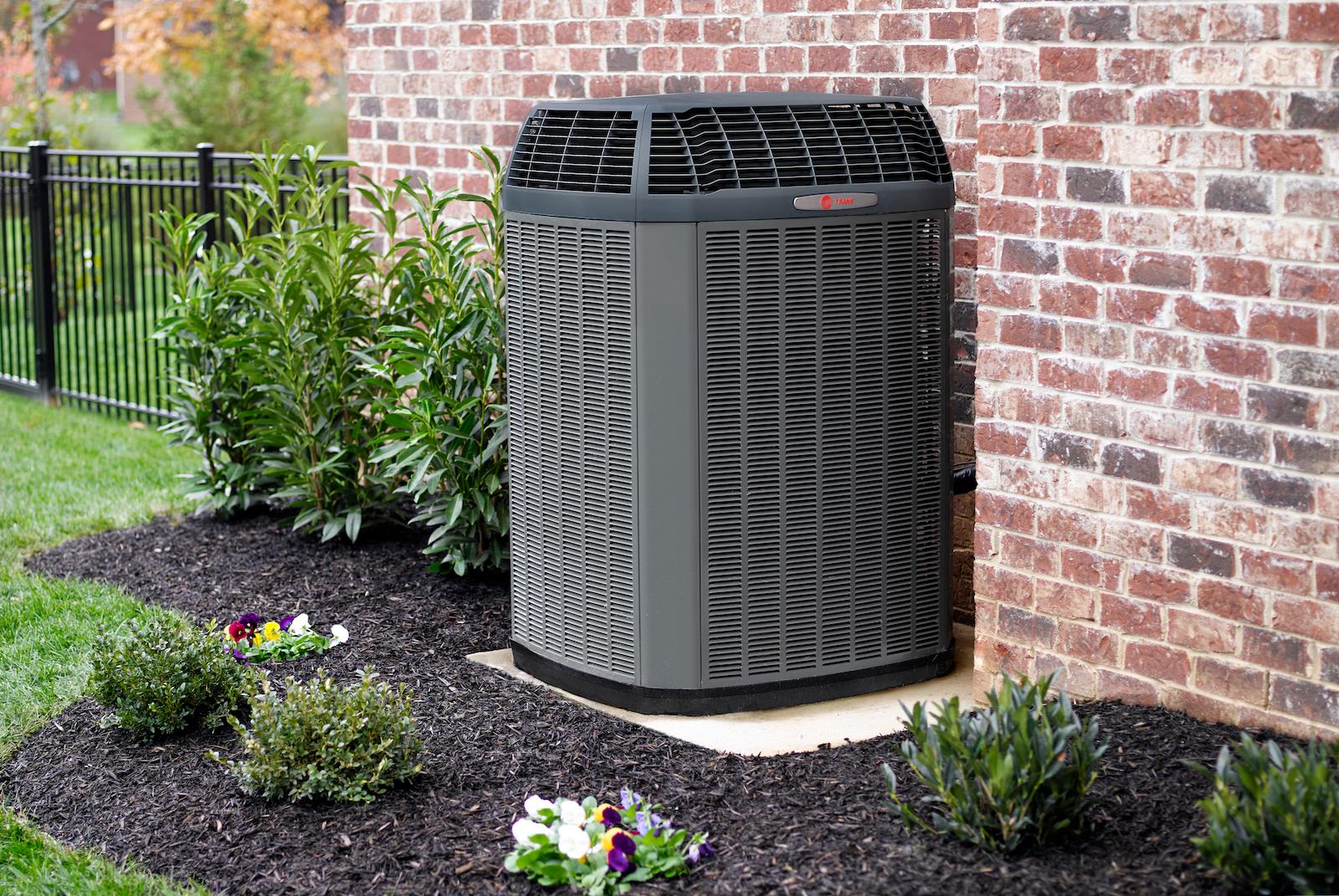
Enjoy consistent, year-round comfort with an energy-efficient heat pump. Designed to work efficiently in all types of climates, Trane’s electric heat pumps are rigorously tested to provide reliable, quiet performance for heating and cooling. Plus, with numerous federal and local incentives available, it’s a great time to upgrade to a heat pump system.
Our expert network of dealers can help you with the best options for your home.

Showing results for
How much can you save?
Upgrading your system to a higher SEER rating can help you save on your monthly energy costs. Lower energy usage can also help protect the environment for future generations.


*The majority of systems installed prior to 2006 are 10 SEER or lower. For this example, the air conditioner has a SEER rating of up to 20 SEER. Potential energy savings may vary depending on your lifestyle, system settings, equipment maintenance, local climate, home construction and installation of equipment and duct system.
**Savings based on national averages.
Support Resources
Find guides to help you set up and use your smart thermostat and Trane Home account.
Getting Started Guide
Learn helpful HVAC tips and tricks before you purchase your system.
Owner’s Manuals
Learn more about your product, like its technical specs and innovative technology.
Get helpful HVAC tips in our newsletter
Sign up for our email newsletter to learn helpful HVAC tips and tricks before your purchase your system.Why choose a Trane heat pump
Trane has been at the forefront of heat pump technology, with more than 60 years of engineering expertise in making electric heat pumps a reliable heating and cooling solution. Today’s inverter heat pump technology makes a heat pump system one of the most efficient HVAC systems available.
Wide selection of air source heat pumps in popular sizes
Trane offers a variety of energy-efficient split system heat pumps in multiple capacities to suit any size home. These include:
- Variable-speed heat pumps
- Multi-speed heat pumps
- Single-stage heat pumps
“The number of speeds or stages typically translates to energy efficiency and better comfort… so the more variability or number of stages, the more efficient the equipment will operate and the better temperature and humidity control the system can deliver to your home.”
-Mark Woodruff, Senior Product Manager, Ducted Outdoors
And within each product line, we offer different sizing options, including:
- 2-ton heat pumps
- 2.5-ton heat pumps
- 3-ton heat pumps
- 3.5 ton heat pumps
- 4-ton heat pumps
- 5-ton heat pumps
Consult with your local Trane dealer to ensure you get the right size unit for your home.
Energy-efficient heat pumps heat AND cool your home
Heat pump efficiency matters for your comfort and your wallet. Look for a high Seasonal Energy Efficiency Ratio (SEER2) and a high Heating Seasonal Performance Ratio (HSPF2) to get the most energy-efficient system that will keep you comfortable in a wide range of temperatures.
The heat pump acts as an air conditioner in the summer and provides electric heat in the fall and winter. Because of their high efficiency, most of our heat pumps are eligible for heat pump rebates.
Cold weather performance
Our most efficient heat pumps offer 100% heating capacity down to 27°F and 70-82% at 5°F. Our cold climate heat pump (CCHP) will deliver even better heating capacity at temperatures well below 0°F.
In a milder climate, a heat pump + air handler combination may be well-suited for your home. In colder climates, you may want to opt for a dual fuel heat pump system, where you pair your electric heat pump with a gas furnace.
The heat pump provides heat until the temperature drops below freezing, at which point the furnace takes over. The units will switch back as outdoor temperatures rise again.
Reliability
Durability is built into all of our energy-efficient HVAC equipment. Product lines undergo five years of severe wear and tear in just a few months at our SEET (System Extreme Environmental Test) lab in Tyler, Texas. This helps ensure your new heat pump is built to last.
Learn more about heat pumps
- Heat Pump Installation Guide for Homeowners
- Which Trane Heat Pump Is Best for Your Home?
- Homeowner's Heat Pump Repair Guide
- What Is an Air Source Heat Pump?
- Electrification of Heat: What Every Homeowner Needs to Know
- Should You Replace an Oil Furnace with a Heat Pump?
- Heat Pump vs Furnace: Which Heating System is Right for You?
- Heat Pump vs Air Conditioner: Which Is Better?
- What’s a Good SEER2 Rating?
- Understanding HVAC Efficiency Metrics
- Hybrid Heat Systems: How Do They Work?
- Variable Speed vs Multi-Speed vs Two-Stage vs Single-Stage Systems
- Cold Climate Heat Pumps: Everything You Need to Know
- Trane Completes the Residential Cold Climate Heat Pump Challenge
- What Is the Best Time to Buy a Heat Pump?
- Buying a Heat Pump: A Checklist
- 5 Warning Signs It’s Time for Heat Pump Replacement
- Heat Pump Replacement: A Buying Guide
- Heat Pump Rebate Roundup
- Trane’s Best Heat Pumps
- How to Make the Most of Your HVAC Service Visit
- Average Heat Pump Repair Cost
- Heat Pump Maintenance Tips
- Heat Pump Troubleshooting Tips
Heat Pump FAQs
An air source heat pump is an HVAC component that uses electricity to heat and cool your home. In the summer, heat pumps act as air conditioners by transporting heat from inside your home, to outside. In the winter, heat pumps take heat from the outside air and deposit it into your home. That means heat pumps can heat your home when it’s cold outside and cool it as temperatures rise.
If you’re facing an issue with your current heat pump, our Repair or Replace tool can help you determine the best next step for your home. If your heat pump is less than 10 years old and repairs are minor, you should generally opt for repair.
Generally speaking, heat pump replacement makes sense if your heat pump is over 10 years old, has a SEER2 or HSPF2 rating less than the Department of Energy's minimum requirements, requires frequent repairs, or is the cause of increased energy costs.
SEER2, which stands for Seasonal Energy Efficiency Ratio, measures how efficiently your heat pump cools your home — the higher the SEER2, the more efficient your heat pump is at cooling.
Since the Department of Energy revised minimum SEER2 ratings for heat pumps, effective Jan. 1, 2023, there’s no magic number for a good SEER2 rating. Split system heat pumps must have a SEER2 of 14.3 or higher in all regions, and single-packaged air conditioners and heat pumps in all regions must have a SEER2 of 13.4 or higher. Talk to your local Trane dealer to help determine the best one for your home.
HSPF2, or Heating Seasonal Performance Factor, measures how efficiently your heat pump heats your home — the higher the HSPF2, the more efficient your heat pump is at heating. Effective Jan.1, 2023, the Department of Energy required all split-system heat pumps to have an HSPF2 rating of 7.5 or higher, and all single-packaged heat pumps to have an HSPF2 of 6.7 or higher.
However, these are just minimum ratings and the right HSPF2 rating for your heat pump depends on factors such as geographic location, home size, and more. Your local Trane dealer can help you discover some energy-efficient heat pump options that meet your needs and your budget.
An inverter heat pump is a variable-speed or multi-speed air source heat pump that uses inverter technology to maximize energy efficiency. Inverter technology eliminates the energy-wasting start and stop cycle of a single-stage unit or even a two-stage unit. An inverter-driven heat pump may run longer, but at lower speeds. They use the minimum amount of energy needed to maintain your desired temperature and provide humidity control. This results in reduced energy usage and increased energy savings.
The biggest difference between an air source heat pump and a ductless (also known as mini-split) heat pump is the amount of space in which the system can control the temperature. A traditional heat pump is part of a central heating and cooling system, which means it utilizes ductwork to distribute newly warmed or cooled air throughout your entire home.
On the other hand, a mini-split heat pump does not use ductwork; instead, it heats and cools just the room or space where it was directly installed. If you do not have ductwork and need to heat or cool several rooms, an additional ductless option is the multi-zone ductless system. You control the temperature in each room separately from the rest.
When it comes to a heat pump vs. furnace, there are two big differences to keep in mind. First, a heat pump can both heat and cool your home, while a furnace only heats your home. Second, these two HVAC systems generate heat in different ways. While a furnace uses a fuel source like gas or oil to create heat, a heat pump uses electricity.
Also known as a hybrid heating system, a dual-fuel heat pump system combines an electric heat pump with a furnace. The heat pump cools in the summer and heats in the winter until temperatures get too cold, at which point the gas furnace kicks in. When things warm up a bit, the heat pump takes over heating again.
Your installed cost for an air source heat pump will vary depending on several factors, including heating and cooling capacity, SEER2 and HSPF2 ratings, whether you’re replacing an existing heat pump, whether you’re replacing an AC/Furnace combo and other factors. For further information, check out our pricing guide.
An electric heat pump will last an average of 15 years. Some heat pumps can last longer if you ensure proper maintenance, and they are quality units to begin with. Some heat pumps may not last as long if they are not properly maintained. Since you use a heat pump year-round for heating and cooling, maintenance is key. Get some maintenance tips to prolong the life of your electric heat pump.
For new units listed on our website, you will see an icon  indicating which units are using the new refrigerant. You can also find the type of refrigerant listed in the model specifications.
For existing AC and heat pump installations at your home, your owner’s manual will say what type of refrigerant it uses. If the unit was manufactured in 2010 or later, the refrigerant will be R-410A. If it was manufactured before 2010, the refrigerant would be R-22, which is no longer in production. You may want to consider system replacement due to the age of the unit.
You can also contact your local Trane local dealer to learn more about refrigerants and product availability.
You can also contact your local Trane dealer to learn more about refrigerants and product availability.
Read more about heat pumps


Contact a local dealer
Dealers can answer questions, help you find the right products for your home, and repair your system.
We’re here to help
Connect with our Customer Care team about your products, warranties, and dealer concerns.
Available Monday – Friday from 7am to 5pm CST
A phone