HVAC Maintenance Tips
Learn how to maintain your HVAC system to enhance performance and avoid costly repairs.
Keep your heating and cooling system working at its best
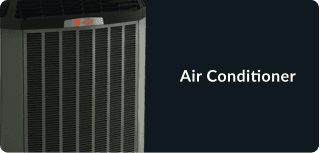
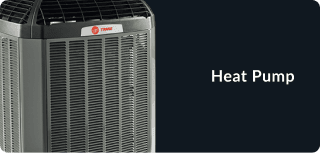
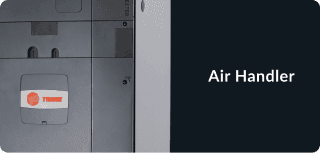
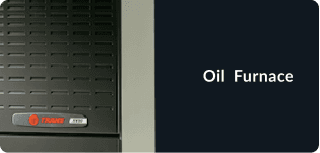
Choose your HVAC system components for HVAC unit maintenance tips specific to your system.


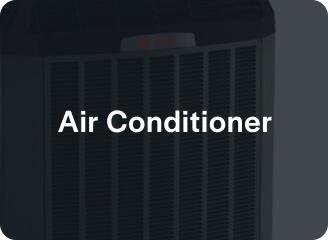
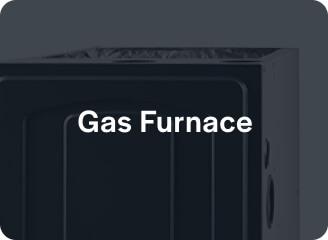
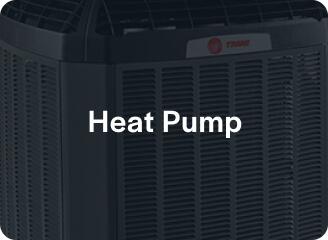
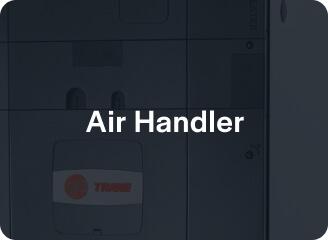


HVAC system maintenance
Adopting a seasonal residential HVAC preventative maintenance program can help you keep your home comfortable all year long.
The #1 HVAC maintenance tip: Change your air filter regularly
By Anne Fonda with expert review by Kimberly Sexton, Senior Systems Engineer
The most important thing you can do for the health and performance of your HVAC system is to ensure you change the air filters regularly year-round. A clogged air filter can cause your system to work harder, leading to higher energy bills, early repairs, and potentially a system breakdown.
Use the following table as a guide.
| Home with no pets | Change at least every 90 days. |
| Home with pets | Change every 30-60 days. |
| Home with allergy or asthma sufferers | Change every 30 days for 1" filters, 60-90 days for 4" filters. |
Get in the habit of checking your air filter every month. If it’s dirty, change it. If it’s not, wait another month. One-inch filters probably need to be changed every month. Thicker, higher-quality filters may not need to be changed as often.
“As a mechanical engineer who has worked in product development, design, production, process, and systems, I’ve seen firsthand how important regular HVAC maintenance is to long-term system performance. More recently, I also experienced a leak in a new unit personally, and having a maintenance plan with my local dealer saved me a significant amount of money.
I would recommend that any homeowner invest in a service maintenance plan—not only to help reduce unexpected repair and maintenance costs, but also to support system efficiency, comfort, and warranty protection.”
— Kimberly Sexton, Sr. Systems Engineer, Trane Technologies


Spring: AC or heat pump maintenance
Schedule annual AC maintenance or heat pump maintenance in late winter or early spring, before the cooling season begins. This can be anywhere from late February to early May, depending on where you live. During this visit, the HVAC technician will check refrigerant levels, inspect coils and recommend cleaning if necessary, tighten electrical connections, and more.

Summer: DIY maintenance
Promote good airflow at the outdoor unit by trimming back shrubs or plants. Keep the area clear at least two feet on all sides and four feet above. In other words, don’t build a deck over the unit.
If you notice the condenser coil is dirty, you can try spraying it with a garden hose on a gentle setting – not jet. And whatever you do, don’t use a pressure washer.

Fall: heat pump or furnace maintenance
Schedule professional furnace or heat pump maintenance in the fall before heating season begins. This can range from late September to early November, depending on your climate. During the fall maintenance visit, the HVAC technician will thoroughly inspect your furnace and/or heat pump to ensure they are operating safely and with the expected performance.
If you have a whole-house dehumidifier, make sure they check that at the same visit.

Winter: DIY maintenance
Continue to change your filter regularly and adjust humidity levels for comfort, following the guidelines in your whole-house humidifier’s owner’s manual. If you have a gas furnace, test your carbon monoxide detector and change the batteries if needed.
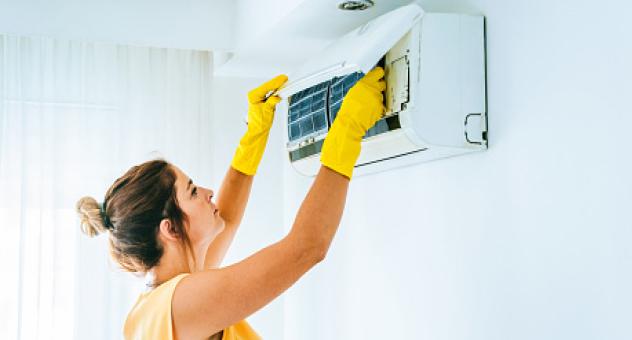
DIY HVAC maintenance checklist
In addition to changing your air filter regularly and scheduling annual HVAC maintenance in the spring and fall, there are several other things you can do year-round to keep your system running smoothly.
- Keep your vents clear.
Blocked supply registers and return air vents can also restrict proper airflow, making your HVAC system work harder. Make sure you move any furniture, drapes, rugs, etc. that could be blocking your supply and return vents. - Keep the outdoor unit clear.
Clear pollen, twigs, and debris from the top of the unit. Keep plants, weeds, shrubs, and other vegetation at least 2 feet away from your outdoor unit to avoid debris buildup. If you use a mulching mower or side discharge mower, make sure the grass discharges away from the unit.
In the winter, clear heavy snow off the top and away from the sides of a heat pump. If you have a condensing furnace, make sure drifting snow doesn’t clog the intake and exhaust PVC pipes. - Keep male dogs away from the outdoor unit. This may sound strange. Some male dogs like to use the outdoor unit to mark their territory. Dog pee is highly corrosive and can damage aluminum fins and copper coils, leading to refrigerant leaks and costly repairs.
- Keep the indoor unit clear.
Keep the area around the indoor unit (furnace or air handler) clear as well. Don’t use it as a storage area. Keep combustible materials away from a gas furnace. - Watch for water.
If you see puddles forming around the indoor unit, you may have a clogged condensate drain line, a frozen evaporator coil, or other issue. Do some troubleshooting and call for professional help if needed. - Keep your ears open.
Listen closely for any strange noises when your system starts. If you hear any, call a technician to inspect the problem more closely. - Perform a smell test.
Take note of any suspicious or unusual odors when your system starts. If you smell anything strange, call a technician to identify the issue. Check out our blog Is This Normal? HVAC Sounds and Smells, Explained for more details.
When to call an HVAC technician
In addition to scheduling annual HVAC maintenance service each spring and fall, there are some other situations where you need to call in an expert.
- Your energy bills keep rising
If your utility bills increase but your overall usage remains the same, one or more components of your system may not be working as they should. Regular HVAC maintenance can help spot small problems before they become costly ones. - Your comfort isn’t consistent
If your home has hot and cold spots or your system is having difficulty reaching and maintaining your set temperature, an experienced HVAC technician is the best person to investigate the issue. - Your condenser unit’s fins are damaged
Bent or damaged fins on your air conditioner or heat pump system’s outdoor unit can trap heat inside the unit, causing performance and temperature issues. - Your unit takes on a lot of water
Excessive water, such as from a flood, can seriously damage your unit’s electrical systems. If you suspect that your unit’s mechanical equipment might have water damage, do not attempt to resolve the issue yourself. Call a technician. Electrical problems are potentially life-threatening and should only be handled by a professional. - You smell electrical burning
Turn off your unit immediately and call a technician. A burning smell could mean your unit is experiencing a malfunction or electrical issue requiring professional attention.
What does HVAC preventative maintenance cost?
DIY HVAC maintenance is cheap – the only cost is a little elbow grease and the cost of new HVAC air filters. Seasonal HVAC maintenance provided by an HVAC technician can range from $100-$350 depending on the cost of living in your area and what the maintenance visit includes. Beware of pricing below $70 for a maintenance visit, as it may not cover much.
An HVAC maintenance service agreement can help reduce your overall costs. The best HVAC maintenance plans will give you a discounted price on parts and move you to the head of the line during the busiest heat wave or cold snap.
Anne Fonda, Content Writer
A Content Writer with Trane Technologies, Anne Fonda researches topics and writes for Trane® and associated residential HVAC brands. She works in collaboration with Trane Technologies subject matter experts, offering easy-to-understand, informative content on complex topics. Her goal is to help consumers make informed decisions on the products and services they need.
She has written for HVAC and other service provider websites for over 16 years. Before transitioning to web content writing, Anne had a 14-year stint as an award-winning journalist. She graduated cum laude from the University of Missouri-Columbia School of Journalism.
When she’s not working, Anne enjoys playing word games, reading, gardening, spending time with family, and visiting gardens and museums.
Learn More About HVAC Maintenance
- HVAC Maintenance: The Key to HVAC Efficiency
- Save Money and Enhance Comfort with the New HVAC Performance Monitoring Kit and App
- What Is an HVAC Maintenance Plan?
- What Does Central AC Maintenance Cost?
- How to Protect Your HVAC System from Mold
- 4 Things You Need to Know About Duct Cleaning
- Top 3 Benefits of Air Duct Cleaning
- How Can Crawl Space Insulation Affect My Energy Bills?
- How to Clean and Maintain Your Whole-House Humidifier
- HVAC Air Filter Cleaning and Maintenance Guide
- Where Is the Air Filter in My HVAC System?
- What Is a Furnace Tune-Up (And What Does it Cost)?
- How Long Should a Furnace Last (Furnace Lifespan in Years)?
- How to Find the Best HVAC Service Near Me
Warranty & Registration
After getting a new system, be sure to protect it with a warranty.
Owner’s Manual
Learn more about your product, like its technical specs and innovative technology.
Contact a local dealer
Dealers can answer questions, help you find the right products for your home, and repair your system.
We’re here to help
Connect with our Customer Care team about your products, warranties, and dealer concerns.
Available Monday – Friday from 7am to 5pm CST
A phone