What Is a Unit Ventilator?
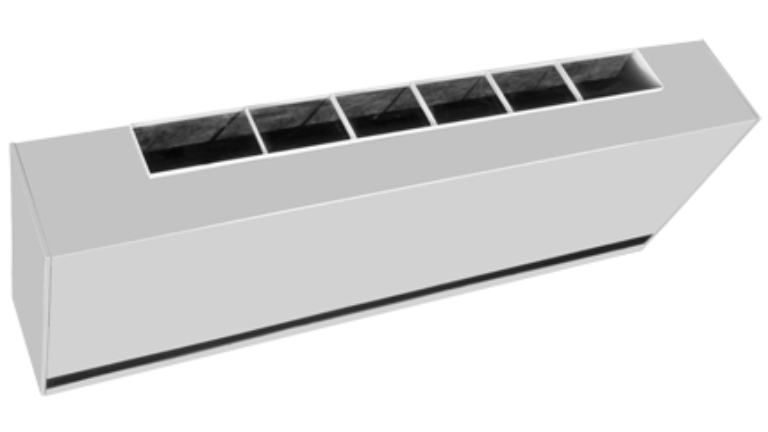
A unit ventilator HVAC solution is a single-space system designed to provide reliable heating, cooling, and ventilation to an individual room. The unit draws air from outside to help improve the air quality of the room. Because the unit conditions the air in a single room, it can help prevent cross-contamination in buildings such as schools, hotels, and offices.
Types of Unit Ventilators
These systems generally come in two configurations, which are physically sized to fit both new construction and retrofit applications:
- Vertical unit ventilator: These are typically floor-standing units placed against a wall.
- Horizontal unit ventilator: These are generally mounted near or within the ceiling to help preserve floor space.
Benefits and Features of a Unit Ventilator
Some of the benefits these systems can offer include:
- Energy management: Many units feature an economizer cycle that uses outside air to condition the space when weather permits, which minimizes or eliminates the need to run mechanical cooling equipment. They can also incorporate Electronically Commutated Motors (ECM) that support optimized energy efficiency.
- Durability: To help withstand demanding environments, Trane's units are built with industrial-grade metal and feature a tamperproof casing designed especially for classrooms.
- Acoustical performance: A quiet learning or working environment can be beneficial for productivity. Built-in technology and ECMs can help provide acoustical abatement, which may reduce distracting background noise.
- Streamlined installation and maintenance: Thoughtful design features, such as roomy end pockets for piping, three-panel front access on vertical units, and factory-mounted controls, can support faster installation and may make routine filter maintenance more accessible.