What Is an Integrated Workplace Management System?
An IWMS is a unified software platform that streamlines and centralizes all aspects of real estate and facilities management. This powerful tool consolidates data from various business and building systems into a single interface, providing a comprehensive view of an organization's entire real estate and facilities portfolio. By breaking down departmental barriers and integrating previously disconnected processes, an IWMS empowers organizations to enhance efficiency, reduce operational costs, and make more informed, data-driven decisions.
How Does IWMS Software Work?
An IWMS functions by capturing and analyzing data related to a wide range of workplace operations. It integrates key functions such as facility management, space planning, maintenance scheduling, and real estate portfolio management into a single solution. This centralized database allows for the automation of routine tasks, improved workflow management, and a holistic understanding of how different aspects of the workplace interact. For example, by connecting with building systems and sensors, an IWMS can monitor space occupancy levels in real-time, helping to optimize space usage and reduce energy consumption in unoccupied areas.
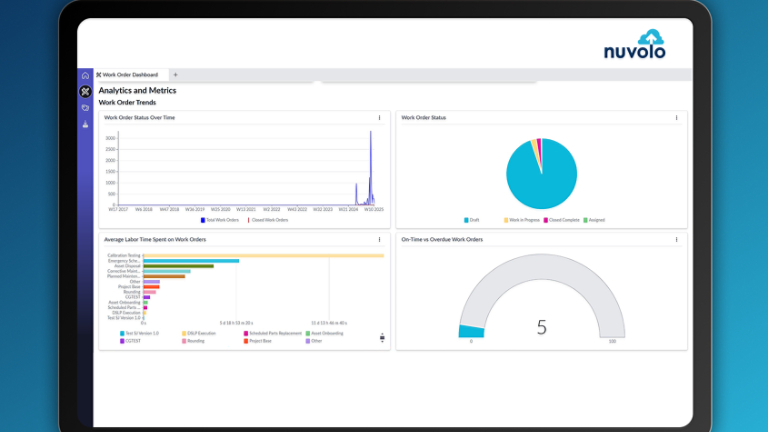
An IWMS is typically composed of a data layer, considered a single source of truth for assets, spaces, people and contracts, a services and workflow layer that includes computerized maintenance management system, work-ordering, scheduling, lease and space planning, analytics and dashboards, and user interfaces for applications on the web, mobile and desktop.
The different deployment models are cloud-hosted (SaaS), on-premises or hybrid. Cloud is the most common for multi-site portfolios; on-premises or hybrid may be used when strict data residency or latency requirements exist.
Types of Systems Included in Integrated Workplace Management Systems
An IWMS platform can integrate with a variety of building systems to provide a complete picture of facility performance. These systems often include:
- Building Automation Systems (BAS): Integration with BAS allows for the monitoring and control of HVAC, lighting, and other core building functions, leading to optimized energy consumption.
- Internet of Things (IoT) Sensors: Occupancy sensors, air quality monitors, and other IoT devices provide real-time data on the building's environment and usage patterns.
- Security and Access Control Systems: By integrating with these systems, an IWMS can enhance building security and provide insights into who is using the facility and when.
- Asset Management Systems: This integration allows for comprehensive tracking of building assets, from HVAC units to furniture, throughout their lifecycle.
- Financial and HR Systems: Connecting with enterprise resource planning (ERP) and human resources information systems (HRIS) enables better financial tracking, cost allocation, and alignment of workplace resources with personnel needs.
Key Considerations for Building and Campus Managers
An IWMS is an essential tool for managing the increasing complexity and costs of modern workplaces.
Benefits:
- Reduced Operational Costs: An IWMS can lead to significant cost savings by automating tasks, enabling preventive maintenance to reduce repair costs, and optimizing energy usage. Research has shown that an IWMS can improve facility usage efficiency by 39.3% and reduce facility maintenance costs by 15.2%.
- Improved Space Utilization: By providing accurate data on how space is being used, an IWMS helps organizations identify underutilized areas and make informed decisions about their real estate portfolio. This is particularly valuable for managing hybrid work models.
- Enhanced Productivity and Employee Experience: A well-managed workplace contributes to employee satisfaction and productivity. An IWMS helps ensure a comfortable, secure, and efficient work environment by streamlining maintenance requests and optimizing space allocation.
- Data-Driven Decision Making: With centralized data and analytics, building managers can move from reactive to proactive management, using insights to forecast future needs and make strategic decisions.
- Improved Sustainability: An IWMS can help organizations achieve their sustainability goals by monitoring and reducing the consumption of resources like energy and water.
Who Benefits:
- Property and Facility Managers: An IWMS streamlines day-to-day operations, from managing maintenance work orders to overseeing space allocation.
- Real Estate Professionals: The system aids in managing lease agreements, tracking property portfolios, and making strategic real estate decisions.
- Maintenance Teams: IWMS helps with scheduling and tracking maintenance tasks, managing work orders, and minimizing equipment downtime.
- Finance and IT Managers: These departments benefit from better cost tracking, budget management, and the integration of various technology systems.
- Executives and Strategic Planners: An IWMS provides the high-level data needed for long-term strategic planning and aligning workplace strategies with overall business objectives.
An integrated workplace management system is a strategic investment that can lead to significant improvements in operational efficiency, cost savings, and the overall performance of a building or a portfolio of properties. If you're interested in learning how an IWMS can work for your organization, contact your local Trane representative to discuss your options.