What Is Energy Resilience?
Energy resilience refers to a facility's ability to maintain operations during energy disruptions or shortages. It is a building's capacity to adapt to, withstand, and quickly recover from unexpected events, such as extreme weather, power grid outages, or technical failures. Changes in power grids and unexpected natural events make having reliable, secure energy solutions an important factor in helping support critical operations.
What Is an Energy Resilience Strategy?
An energy resilience strategy is a proactive plan designed to help a building prepare for potential risks, implement redundant systems, and recover rapidly when power disruptions happen. Rather than simply reacting to an outage, a strategy anticipates vulnerabilities and puts infrastructure in place to help manage loads and keep the power steady.
For instance, an energy resilience strategy can include:
- Distributed energy resources (DERs): Using local, decentralized energy sources like solar photovoltaic systems and cogeneration to generate electricity on-site.
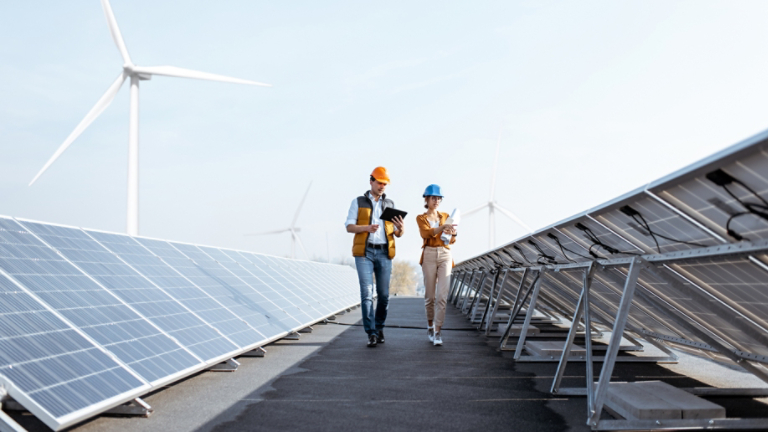
- Renewable energy solutions: Integrating renewable sources like wind and solar to help secure a steady power supply, even during grid outages.
- Energy storage: Capturing and saving excess energy for later use. This can involve battery energy storage systems (BESS) or thermal energy storage, which acts like an HVAC battery for a building by storing thermal energy to use when demand is high or the grid is unavailable.
- Contingency planning: Establishing temporary solutions, such as knowing when and how to utilize rental HVAC and power equipment, to help return a building to service while permanent repairs are made (Source).
How Are Sustainability and Energy Resilience Related?
Sustainable features, like integrating renewable energy solutions and energy storage, can help reduce the risk and impact of power disruptions. For example, generating on-site solar energy can help cut carbon emissions while providing a backup power source if the commercial grid fails.
Energy resilience goes beyond simply keeping the lights on. It can also offer financial advantages. Organizations that invest in energy resilience and environmental sustainability practices may benefit from energy cost savings, improved operational efficiency, and a bolstered reputation among employees and stakeholders. For example, energy storage systems can store power during off-peak times when energy is less expensive, and discharge it during peak times, which can help manage utility costs while reducing grid dependency.
How Trane Can Help with Energy Resilience
Trane offers tailored strategies that can help organizations reduce their environmental impact, boost building resilience, and create a clear, actionable roadmap designed around specific needs. Trane works with building owners and facility managers to assess vulnerabilities and implement comprehensive engineering solutions.
Trane can help with energy resilience by providing:
- Integrated controls and distributed energy resources: Connecting renewable energy sources and battery storage to help ensure reliable operations during outages.
- Thermal energy storage: Implementing advanced HVAC solutions like ice or chilled water storage to increase a building's energy agility and flexibility.
- Energy services: Translating decarbonization goals into action through comprehensive, single-source energy solutions. From early-stage feasibility to ongoing optimization, we de-risk infrastructure investments and provide long-term performance.
- Rental contingency plans: Helping facilities plan for emergency temporary cooling, heating, or power to help maintain operational continuity (Source).
- Turnkey Replacement: Replacing aging equipment proactively to eliminate downtime risk. A single-source project delivery offers fast equipment turnaround, maximizes energy efficiency, and handles all complexity to protect limited internal bandwidth.