What Is Design-Build-Operate?
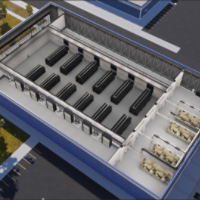
Design-Build-Operate (DBO) is a project delivery model where one provider or team is responsible not only for designing and constructing a data center facility but also for operating it after completion.
Traditionally, commercial construction and system replacement often default to a design-bid-build process, which can require facility teams to coordinate engineers, contractors, procurement, and internal stakeholders across multiple phases. This separation of responsibilities can sometimes result in scope gaps, complex handoffs and project delays.
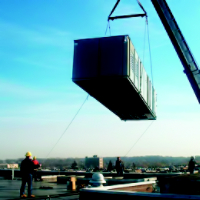
A design and build approach brings the key phases of a data center project, such as planning, design, installation, commissioning and startup, under a single provider. The DBO model extends this unified approach past the construction phase, keeping the same provider responsible for the day-to-day operations and maintenance of the facility's mechanical systems.
Advantages of Design and Build
Consolidating the campus development model under one development partner can help simplify communication and make the project easier for facility teams to manage. The advantages of design and build can include reduced handoffs, minimized facility disruption, improved goal and budget alignment and streamlined project timelines, all of which can contribute to a stronger return on investment (ROI).
By aligning design and construction under a single partner, facilities may be better positioned to reduce costly delays and change orders that can erode project budgets. A unified approach can also help enable speed to scale, allowing data center operators to bring capacity online more quickly and begin generating value sooner — a critical advantage in environments where demand for compute power continues to grow rapidly.
Adding "Operate" Makes a Bigger Impact
While the design and build model offers distinct benefits, transitioning a newly completed data center facility over to an internal team can present operational challenges. Complex mechanical frameworks, such as centralized HVAC plants or advanced thermal management systems, can require specialized knowledge to run efficiently.
Adding the "operate" phase to this model can help address these challenges. By keeping the original design-build team on board to operate the facility, data center owners and operators can experience several ongoing benefits:
- Long-term accountability: The provider that designs the mechanical systems remains responsible for their daily performance, which can help ensure the building reaches its intended cooling capacity and efficiency goals over time.
- Consistent performance: Continuous oversight by the system's original designers can help maintain desired outcomes and help manage ongoing maintenance expenses.
- Sustainability support: Having specialized professionals operate your equipment can help with achieving long-term decarbonization and energy efficiency targets, such as supporting LEED® certification requirements.
When DBO May Make Sense
DBO may be a fit for commercial facilities where long-term operating performance matters as much as initial delivery, such as campuses, healthcare facilities, data centers, offices, and other buildings with ongoing operational demands. Commercial buildings have different system needs depending on the facility type, layout, and operating conditions, which makes lifecycle planning especially important.