Blog
Published: September 18, 2026
How Facility Teams Can Build Smarter Maintenance Operations
The right maintenance management application can help improve productivity, service coordination, and decision-making for facility teams.
Quick Facts
- Products
- Trane Cloud Digital Hub • Maintenance Manager
- Topics
- Innovation • Smart Building Solutions
- Services
- Nuvolo Asset Management
All that stitching takes a toll. Technicians spend time searching for information instead of fixing issues, while building owners feel the impact through longer downtime and equipment that may be serviced too often or not often enough.
The good news is that a better path forward exists. At the center of that approach is a single source of truth for assets, work orders, service history, and documentation. Organizing that information consistently and centralizing it before introducing automation sets the stage for smarter maintenance operations.
Trane Maintenance Manager (TMM) brings it all together within Trane Cloud, a digital hub built for smarter building operations.
The Value of a Single Source of Truth
Every disconnected system, whether it's a spreadsheet, a binder of printed reports, or a shared drive, adds extra steps to the maintenance process because details must be pieced together to bring the full picture into focus. That often includes tracking down service records in multiple places, confirming which information is current, or finding the person who remembers the history behind a past issue.
A single source of truth removes much of that friction because everyone can work from the same current information.
The value becomes especially clear during an urgent repair. When a critical asset goes down, no one has time to reconcile different accounts of an asset’s history. With one trusted record, a technician can quickly see what has happened before and how that history may relate to the current issue.
That same benefit extends beyond the internal team. Facility managers, technicians, and outside service providers can begin with mutual context rather than spending time catching up. Collaboration improves because the information is shared, current, and complete.
As facilities and maintenance needs change, centralized information also makes institutional knowledge less dependent on any one person.
Best Practices for Organizing Maintenance Information
Centralizing information is more than simply putting everything in one place. It starts with establishing a reliable foundation for what is being maintained. A documented asset register captures each asset with an identifier, location, and basic specifications before maintenance history and other information are added.
Organizations that skip this step often pay for it later. Without this baseline, teams may find themselves reconstructing an asset’s history from memory when they need it most, such as during an audit, capital request, or failure investigation.
Keeping that information reliable also requires consistency. A spreadsheet that three people update three different ways may put information in one place, but it still creates confusion. A defined process for updating information helps keep everyone aligned on important details as facilities, portfolios, and maintenance needs evolve.
Why Centralized Asset Management Comes Before Automation
Modernizing maintenance operations does not need to be complicated, but it does need to happen in the right order. That starts with centralizing information before focusing on automation.
“A lot of organizations get excited about automation or AI-driven scheduling before their underlying data is reliable,” Surve says. “That just means you’re automating a mess faster.”
Clean, centralized asset records and maintenance history give teams reliable information they can build on. Preventive maintenance schedules, planning, and analytics all depend on the quality of the information feeding them.
Getting the foundation right first makes those capabilities a natural next step rather than another layer of complexity.
How Trane Maintenance Manager Helps
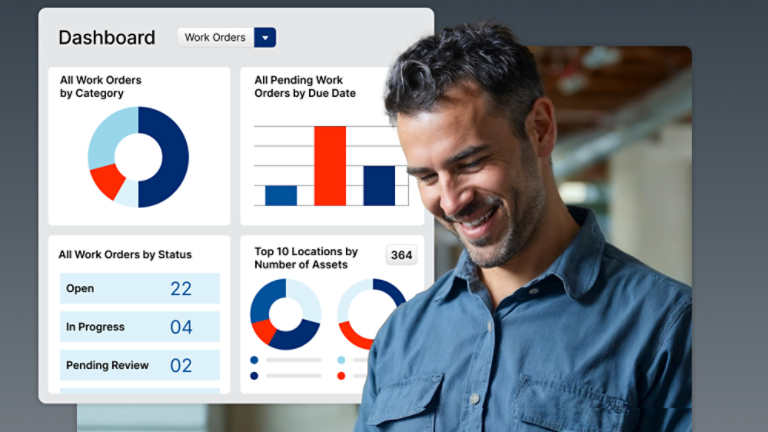
Trane Maintenance Manager (TMM) is maintenance management application within Trane Cloud that puts these principles into practice by bringing work orders, maintenance history, asset records, and service activity together. Instead of moving between disconnected tools to understand what is happening with an asset, teams can access maintenance information in one place.
Because TMM is native to Trane Cloud, it connects naturally across the platform’s broader digital ecosystem rather than operating as an isolated point solution.
Additionally, TMM simplifies access to Trane service records. After Trane services a piece of equipment, the record flows directly into the customer’s TMM dashboard, eliminating the need to print reports and file them in binders. This puts decades of service history from Trane-maintained HVAC assets directly in customers’ hands, helping teams better understand asset history and make more informed maintenance decisions.
However, TMM is not limited to HVAC equipment. A school district can track inspections of regulated safety equipment. A health clinic can log daily bed checks. A museum can record humidity readings for sensitive collections.
Teams also don’t need Trane equipment to get started. A Trane Cloud login is all that’s required, and onboarding often takes days or weeks as opposed to the months other solutions require.
What Comes Next?
Centralized maintenance information is not the finish line. It creates a strong foundation for what follows.
When asset records, maintenance history, work orders, and documentation are organized and accessible, teams can spend less time searching for information and more time acting on it. That efficiency benefits both those doing the work and building owners focused on operational performance.
For teams that eventually need broader enterprise asset management capabilities, Trane’s Integrated Workplace Management System builds on that same foundation through the acquisition of Nuvolo, a leader in connected workplace and enterprise asset management.
In the next post in this series, we’ll build on that shift by exploring how facility teams can create a smarter preventive maintenance strategy.
Learn more about Trane Maintenance Manager.
This is for informational purposes only and does not constitute professional advice. Trane Technologies believes the facts and suggestions presented here to be accurate; however, final design and application decisions are your responsibility. Trane Technologies disclaims any responsibility for actions taken on the material presented.