Glossary
Variable Frequency Drive
What is a variable frequency drive? Learn what a VFD is, how it works and the advantages and disadvantages of installing one.
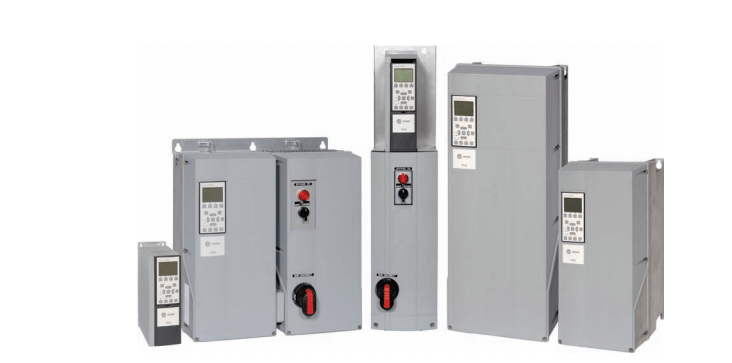
Quick Facts
- Products
- Variable Frequency Drives
Selecting a language changes the language and content on the Trane site.
ComfortSite Login
Trane ComfortSite is an extranet site designed to save you time. With your secure login, you can:
Trane Cloud
Trane Connect is now Trane Cloud—your secure, digital foundation for remotely monitoring and managing building systems, while bringing together insights, applications, and future innovations in one unified experience.

Latin America
Europe
Asia Pacific
Glossary
What is a variable frequency drive? Learn what a VFD is, how it works and the advantages and disadvantages of installing one.
Quick Facts
A variable frequency drive (VFD) is an electronic device used to control the speed of electric motors by adjusting the frequency and voltage supplied to them. VFDs can be installed on motors that drive fans, pumps, and compressors, allowing these components to operate at variable speeds to match system demand rather than running at full speed all the time.
Here is the basic process for variable frequency drives:
By controlling the frequency of the power supplied to a motor, a VFD can precisely control the motor's speed and torque. When using VFDs in HVAC, airflow, water flow, or compressor output can be adjusted in real time to meet the actual heating or cooling needs of the building.
Variable frequency drives are used in HVAC applications to help save money, reduce unnecessary wear and tear on equipment and reduce operational costs. They are especially valuable in places where loads vary significantly throughout the day or year, like office buildings, hospitals, shopping centers, educational institutions, and manufacturing facilities. To determine whether a VFD would be beneficial in your HVAC system, contact your local Trane Commercial representative.
Resources & Insights

Renton School District - Kohlwes Education Center