What Is Thermal Management at Home?
Summary:
• Home thermal management means controlling the indoor temperature and working to minimize heat gain or heat loss.
• Energy-efficient home improvements support thermal management and can help lower your energy bills.
• An energy-efficient heating and cooling system can increase comfort while decreasing your energy consumption.
By Anne Fonda
The term thermal management is most commonly used in commercial HVAC applications, such as Trane’s chillers and thermal management solutions for data centers.
While your home is a lot smaller and uses a lot less energy than a data center, some of the same thermal management principles apply. Thermal management for a home involves controlling the indoor air temperature to enhance comfort, reducing energy usage, and extending the lifespan of your residential HVAC system.
What are the key parts of home thermal management?
When building a new home, you can incorporate thermal management into the home design, from planning for passive solar heating, choosing materials designed to hold or release heat, choosing the most energy-efficient materials, optimal HVAC system design, and much more.
But for the rest of us, we need to assess our existing home, whether that’s a condominium, townhome, or detached single-family home. We recommend that homeowners start with a home energy audit.
This is a home assessment that identifies air leaks and inefficiencies that make your home feel hotter or colder than it should. Many utility companies offer this service for free, and it can help identify which of these home improvement projects would have the biggest impact in your home.
1. Seal and caulk
On a windy day, do you feel a draft of hot or cold air around your windows and doors? Are there visible cracks? Some DIY sealing, caulking, and weatherstripping around doors and windows can help minimize heat loss/heat gain. Don’t forget to include an attached garage in this project.
2. Insulate
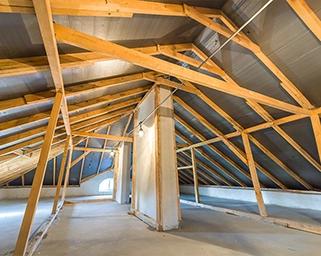
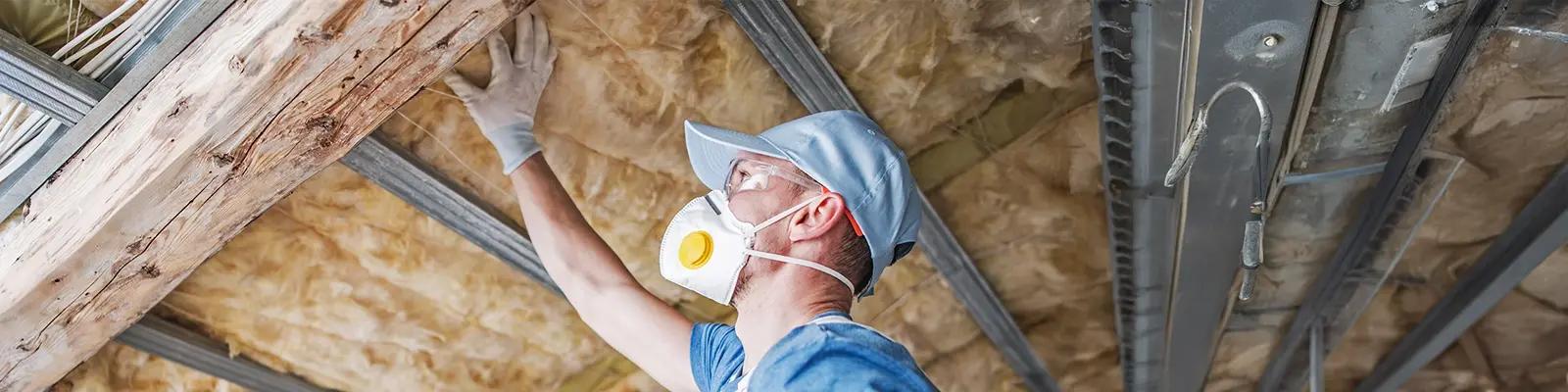
Use recommendations from your home energy audit and add insulation to your attic, basement, crawl space, and garage. Get some tips on choosing the type and rating of insulation for various parts of your home from ENERGY STAR®
“Maintaining proper thermal management in the home is much easier today than when I first entered the industry. Advances in insulation materials, equipment design, and system controls have made a significant difference.
In addition, ensuring that ductwork is properly insulated when located in unconditioned spaces, and maintaining adequate ventilation where equipment is installed, can further improve heat transfer and system efficiency.”
-Kimberly Sexton, Senior Systems Engineer

3. Manage solar heat gain
This is especially important if you live in a hot and sunny state like Florida, California, or Texas. Managing solar heat gain means controlling (reducing) the amount of heat from sunlight that enters your home.
Some things you can do include:
- Plant shade trees (will take a while to have an impact).
- Install window and patio door awnings above sun-facing windows.
- Close curtains and blinds during the day in the summer and keep them open in the winter.
- Replace your windows with more energy-efficient models.
4. Install new windows, doors, and skylights
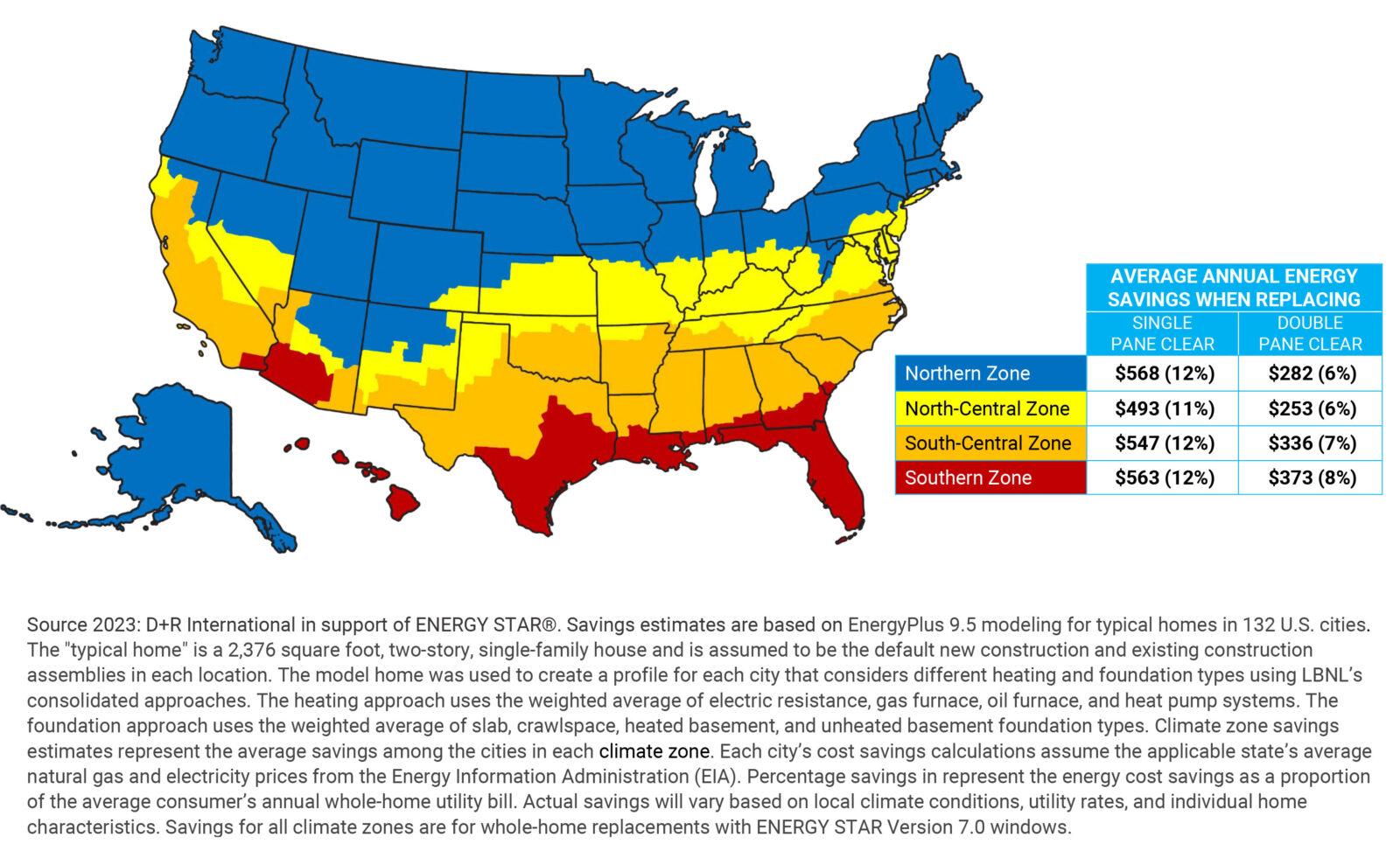
If you have older single-pane windows and builder-grade doors, replacing them can help insulate your home and reduce solar heat gain as well as heat loss. New skylights can also help. The number of windows you have, and whether they’re standard size or custom, can greatly impact the cost of this project.
Do your homework to choose the best ENERGY STAR®-certified windows for your region and get several quotes for window replacement. By replacing old single-pane windows with new double-pane windows that meet the required Solar Heat Gain Coefficient (SHGC) for your climate zone, you can reduce heat gain, protect your home interior, and help your HVAC system run more efficiently.
You can also save on energy costs by replacing double-paned windows with more efficient double-pane windows. Refer to the graphic above for projected savings.
“Adopting integrated HVAC ventilation solutions, optimizing temperature schedules, and utilizing programmable thermostats are also excellent ways to help reduce energy consumption and lower utility bills.”
-Kimberly Sexton, Senior Systems Engineer
5. Upgrade to an energy-efficient HVAC system paired with a smart thermostat
If your HVAC system is 15+ years old and your utility bills are rising without increased utility rates, it may be time to replace it with a new energy-efficient HVAC system. Today’s systems are much more efficient and can help increase your home comfort while saving you money on your utility costs year-round.
Partner with a trusted HVAC professional to determine what air conditioner, heat pump, furnace, or air handler combination would be best for your home, climate, humidity levels, and sustainability goals. From cold climate heat pumps to dual-fuel systems to traditional AC + furnace combos, you have choices.
Learn about the important HVAC efficiency metrics so you understand the difference between efficiency tiers. Be sure that any HVAC contractor performs a load calculation and checks your ductwork for leaks before they give you a quote.
Why a smart thermostat?
Add a smart thermostat to the mix (required with some Trane systems) to get the biggest energy-saving benefits. In addition, a Trane smart thermostat lets you control your system remotely with the Home App.
If you opt in to Trane Diagnostics, you allow your Trane dealer to monitor your system remotely and get alerts about system performance. They can even troubleshoot your system remotely if you give them the proper permissions.
How does home thermal management benefit me?
Home thermal management has 3 main benefits. What’s most important to you depends on your priorities.
1. You use less energy
By sealing and insulating your home, you keep cold or hot outdoor air outside where it belongs, and you decrease heat loss. This means your HVAC system doesn’t need to work as hard to heat or cool your home. You can save even more energy with a newer, energy-efficient HVAC system.
2. You save money
This correlates with reduced energy usage. Use less energy, pay less to the gas or electric company. By making energy-saving home improvements now, you can save money on your home heating and cooling bills for years to come.
3. You can increase comfort
By eliminating drafts with caulking and sealing, improving insulation, installing replacement windows and doors, and upgrading your HVAC system, you take control of your home comfort. And saving money on your heating and cooling bills at the same time? It’s a win-win.
How much can I save with proper home thermal management?
That depends on several variables, including the condition of your home and which energy-efficient home improvements you make. You’ll save more on future energy bills if your home is currently very drafty and you seal up all the gaps and add insulation.
In addition, if you have an old and failing HVAC system, replacing it with an energy-efficient HVAC system can save you money on your heating and cooling bills while increasing your comfort for the next 15 years or so.
The table below shows projected savings based on estimates from the Department of Energy (DOE) and ENERGY STAR®.
| Energy Saving Improvement | Potential Savings on Heating & Cooling Costs |
| Seal and caulk gaps around windows, doors, and plumbing lines | 15-20% |
| Add new or additional insulation to the attic, basement or crawl space, and garage | Up to 20% |
| Replace single-pane windows | Up to 12% based on your region |
| Replace double-pane windows | Up to 8% depending on your region |
| Upgrade your HVAC system | Savings will vary based on the efficiency of the old and new systems |
| Install a smart thermostat | About 10%, greater savings with greater energy efficiency |
Schedule HVAC service or a free quote on a new system today
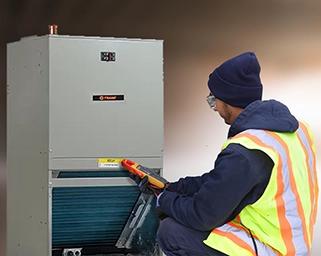
Regular HVAC maintenance is key to system efficiency and continuous comfort. To help keep your system running smoothly and efficiently, schedule HVAC maintenance in the fall before heating season begins and in the spring before cooling season begins.
If your HVAC system is more than 10 years old, you could increase your energy efficiency and comfort by upgrading your system. Your local Trane dealer can help you with maintenance, repair, and new HVAC system installation.
Anne Fonda, Content Writer
A Content Writer with Trane Technologies, Anne Fonda researches topics and writes for Trane® and associated residential HVAC brands. She works in collaboration with Trane Technologies subject matter experts, offering easy-to-understand, informative content on complex topics. Her goal is to help consumers make informed decisions on the products and services they need.
She has written for HVAC and other service provider websites for over 16 years. Before transitioning to web content writing, Anne had a 14-year stint as an award-winning journalist. She graduated cum laude from the University of Missouri-Columbia School of Journalism.
When she’s not working, Anne enjoys playing word games, reading, gardening, spending time with family, and visiting gardens and museums.
Expert review by Kimberly Sexton, Senior Systems Engineer
Related Articles