Furnace Heat vs Heat Pump Heat: Understanding the Difference
Summary: A gas furnace blows hot, dry air, while an electric heat pump provides gentler airflow with higher humidity. Both HVAC systems can comfortably keep you warm, but a heat pump system or dual-fuel system offers the best efficiency.
By Anne Fonda
While heat pump systems are growing in popularity across the United States, some folks say, “You’ll get my gas furnace when you pry it from my cold, dead hands.” We get it. If you’ve lived with heat from a gas furnace all your life, you may not feel the need to change.
But changing the way you think and heat your home could have advantages.
Heat pump vs furnace: The “quality” of the heat, explained
A propane or natural gas furnace generates heat by burning fuel. In contrast, an air source heat pump uses electricity and the refrigeration cycle to move existing heat from one location to another.
Both types of heating systems can heat your home comfortably. However, the mechanism of heating leads to some major differences in the “feel” of the heat from a heat pump vs gas furnace, as explained in the table below.
| Heating Method | Gas Furnace | Heat Pump |
| Feel | Intense and dry heat. | Warm, but not as “toasty” as gas heat. |
| Temperature Differential | Hot air blows from the registers. | Lower temperature and gentler airflow from the registers. |
| Humidity | The process of burning fuel in a furnace removes moisture from the air, making it dry. | Heat pumps do not remove humidity and can even add some back into the air, contributing to a more comfortable home. |
| Benefits | Can heat a home quickly and effectively, especially in very cold climates. | Circulates naturally humid air, preventing dryness. More energy-efficient and environmentally friendly as it doesn't burn fuel. |
A word about humidity. Low humidity in the winter can lead to static electricity, dry skin, respiratory issues, and more. A furnace only makes the air drier, which can mean you would need to install a whole-house humidifier for optimal comfort. A heat pump can better manage indoor humidity in the winter. Pro tip: A higher humidity level can make your home feel warmer even at a lower set temperature.
Can a heat pump work in cold weather?
Most definitely. We turn to one of our Trane heat pump experts to explain.
“Performance is based on the system matchup, but in general, our current variable-speed heat pumps are more efficient at heating in cold temperatures, delivering 100% heating capacity down to around 27° F and 70% down to about 5° F.
Our newer low-profile cold climate heat pumps are highly efficient at heating in cold temperatures, delivering 100% heating capacity down to around 5° F and 70% down to about -13° F.”
-Chelsea Hudson, Product Manager, Ducted Variable Speed Outdoor

Can a heat pump replace a furnace?
It depends. Heat pumps and furnaces are complementary in colder areas where furnaces are often grossly oversized for partial heating loads in the fall and spring. If you currently have a gas furnace that’s old and failing and you’re interested in upgrading to an energy-efficient Trane heat pump system, you can do so easily. For the lowest-cost installation, we would recommend installing the 120V Modular Variable Speed Air Handler where your existing furnace is.
This air handler is a plug-and-play replacement for a gas furnace and doesn’t require retrofitting or a lot of electrical upgrades.
How much money can I save with a heat pump system?
Energy-efficient heat pumps can save you up to 50% on your heating and cooling bills when you replace an older AC and gas furnace. In addition, Residential heat pumps can reduce your carbon footprint by 38-53%* when you replace a gas furnace with a heat pump.
*According to a U.C. Davis study published in Energy Policy
However, it’s important to note that your cost savings will depend on your local utility rates. If you use delivered heating fuels like propane or heating oil, you are likely to see the greatest benefit from adopting a heat pump. You will have to run a comparison using your specific home and climate. Ask your Trane dealer to help you run the numbers. You’ll need recent utility bills handy.
Do you need a furnace with a heat pump?
Possibly. “For many areas of the country, a traditional heat pump system will provide all the heating and cooling you need. In fact, heat pump systems are favored in new construction across the country. Higher performing homes are easier to electrify (those with better air sealing and insulation, etc.),” according to Josef Hedja, Electrification Commercialization Leader.
However, suppose you live in one of the 10 coldest states, such as Alaska, North Dakota, Minnesota, Maine, Montana, Wyoming, Vermont, Wisconsin, Idaho, or New Hampshire. In that case, you may want to opt for a cold climate heat pump engineered for extreme cold temperatures or a dual-fuel heat pump system.
Also known as a hybrid heating system, the heat pump provides air conditioning in the summer and heat in the fall, part of the winter, and the spring. When temperatures drop below the heat pump’s capability, your gas furnace takes over auxiliary heating duties.
Doesn’t a heat pump cost more than a furnace?
Yes, the upfront cost of a Trane heat pump will be higher than a Trane furnace. But heat pumps can offer long-term cost and energy savings, whether as a fully electric heating and cooling system, or as part of a dual-fuel system.
“For example, in some states, like Minnesota, homeowners who back up a heat pump with a non-electric system can qualify for a very lucrative discount. In other markets like Georgia, there are higher rates in the summer (which reward higher efficiency) and lower rates in the winter (which reward electric heat).”
- Josef Hedja, Electrification Commercialization Leader
What’s this I hear about heat pump rebates?
Many states have heat pump rebate programs that can help you pay for a new qualifying heat pump if you meet certain requirements. The graphic below shows some of the financial incentives available. Visit our Heat Pump Rebates: How to Save in Your State blog to learn more about what’s happening in your state.
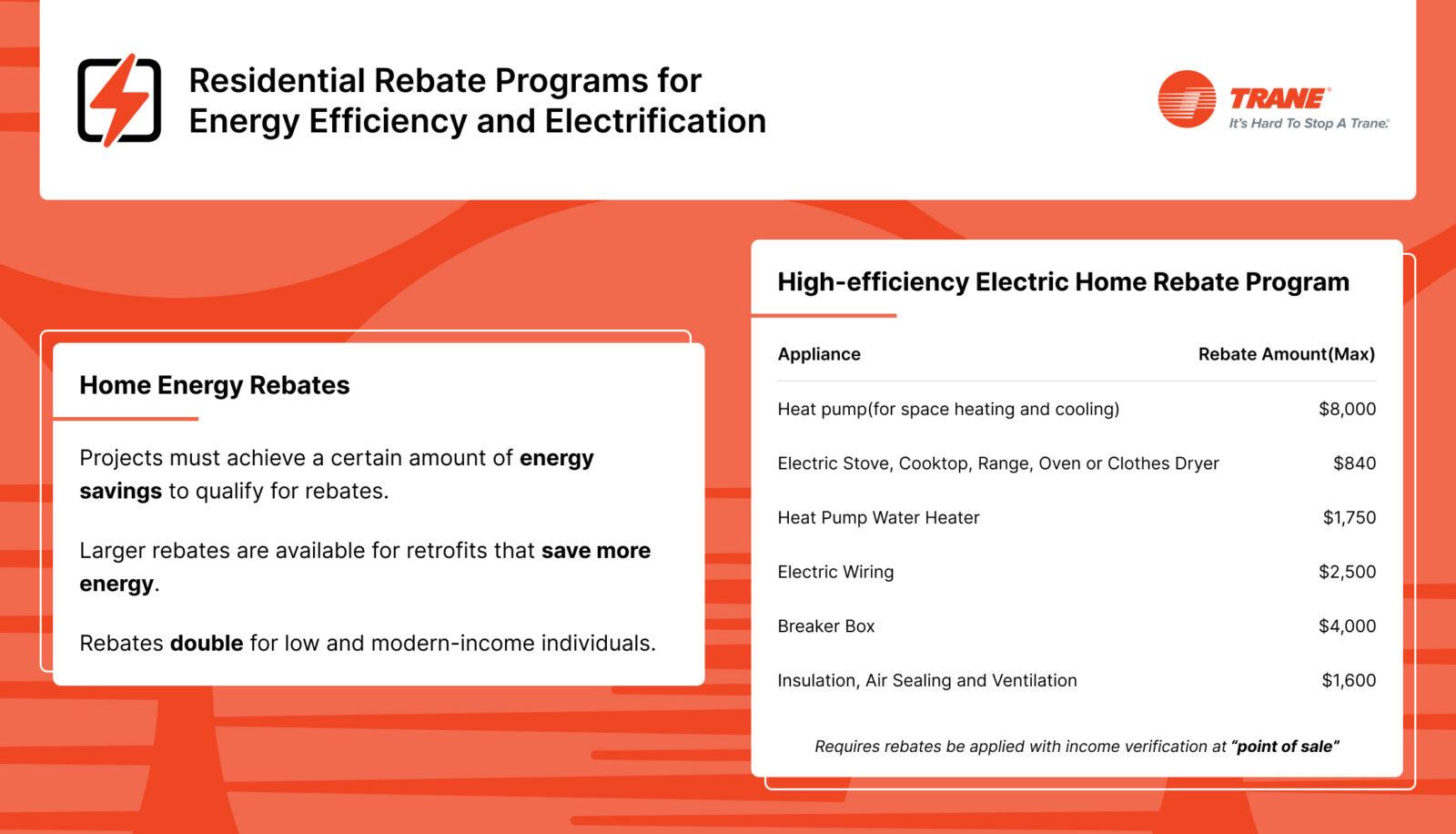
In addition to the state rebates, you may qualify for utility rebates and manufacturers’ rebates. Check out our savings and offers page for specifics on how much you can save on a heat pump system in your area.
Can I finance a new heat pump system or hybrid heat system?
Yes. In fact, most homeowners use some type of HVAC financing to pay for a new HVAC system of any type. Spreading out payments over the years can help you manage the expense of HVAC replacement.
Explore the options with your local Trane dealer
If you need to replace your furnace, explore your options with your local Trane dealer. Whether you choose to stay with a gas furnace, opt for a hybrid heating system, or go all-electric with an air source heat pump system, your local dealer can go over the pros and cons of the various systems and your product options in each category.
Anne Fonda, Content Writer
A Content Writer with Trane Technologies, Anne Fonda researches topics and writes for Trane® and associated residential HVAC brands. She works in collaboration with Trane Technologies subject matter experts, offering easy-to-understand, informative content on complex topics. Her goal is to help consumers make informed decisions on the products and services they need.
She has written for HVAC and other service provider websites for over 16 years. Before transitioning to web content writing, Anne had a 14-year stint as an award-winning journalist. She graduated cum laude from the University of Missouri-Columbia School of Journalism.
When she’s not working, Anne enjoys playing word games, reading, gardening, spending time with family, and visiting gardens and museums.
Expert review by Chelsea Hudson, Product Manager, Ducted Variable Speed Outdoor
Related Articles