
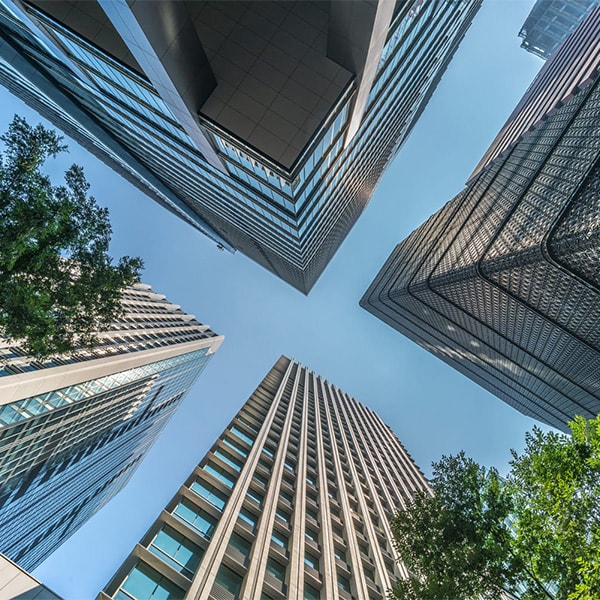




















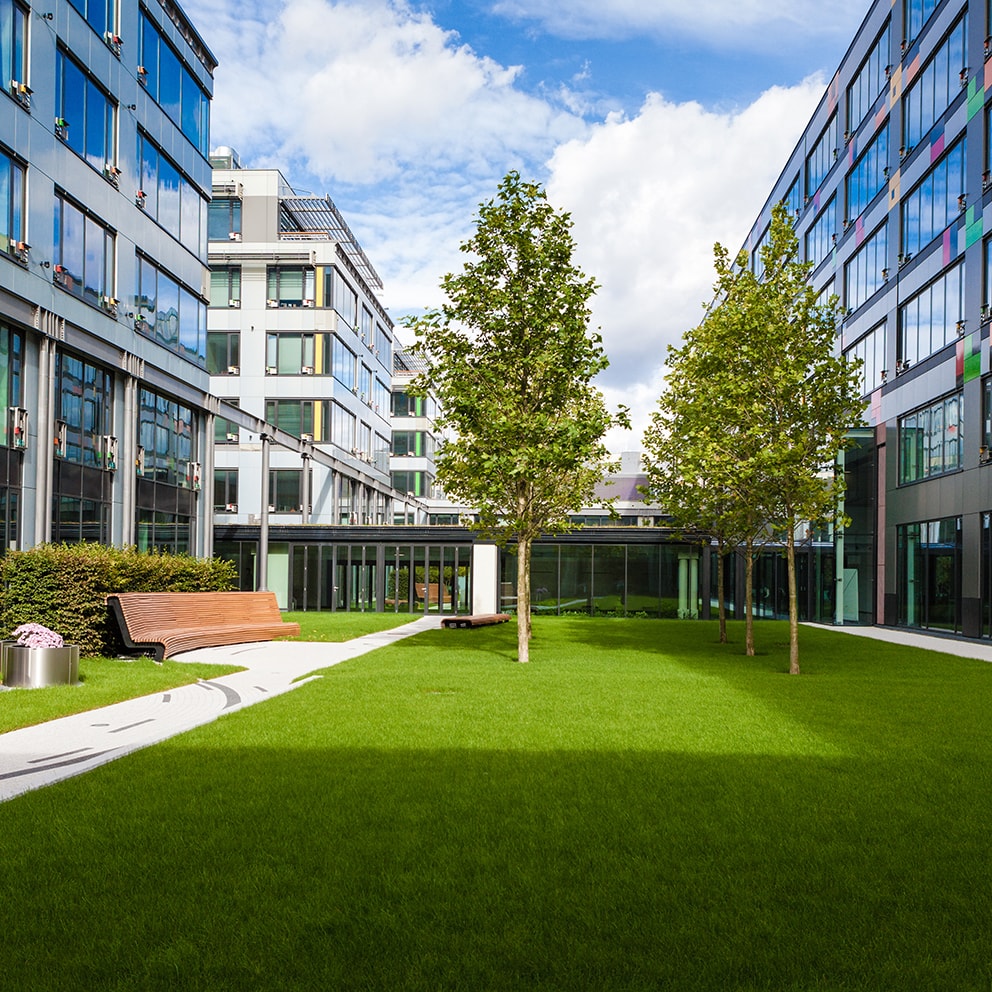
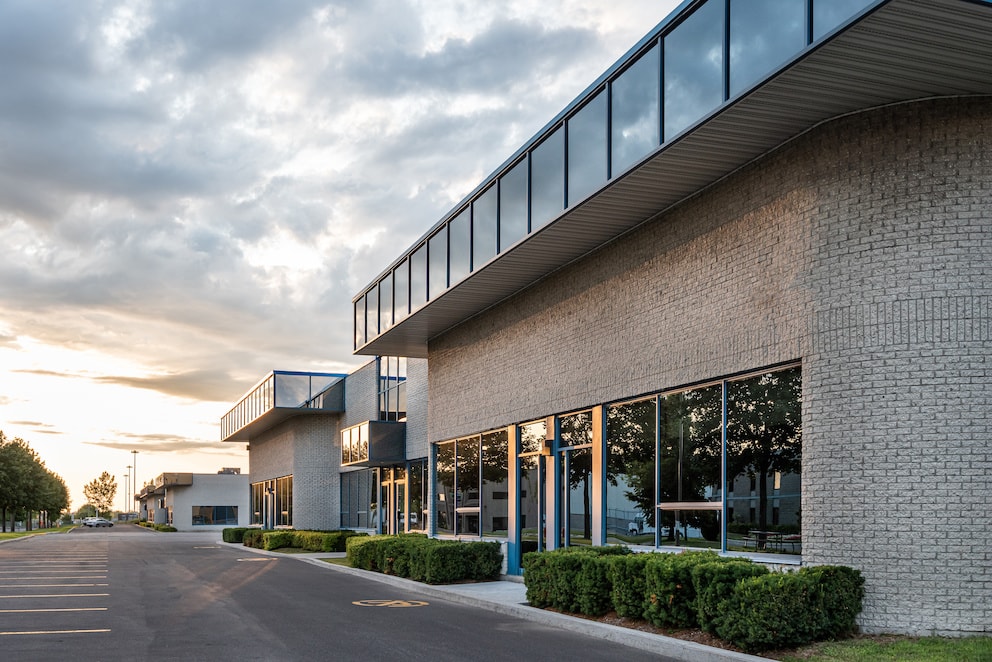













According to the U.S. Green Building Council (USGBC), buildings account for 36 percent
of the energy used in the United States. This program discusses energy-saving strategies to
implement for various HVAC system types, and quantifies the impact of each toward achieving LEED points
under the "Optimize Energy Performance" credit. Discussion includes a detailed review of an energy
modeling study conducted to demonstrate the potential energy cost savings (for various strategies,
climate zones, and HVAC system types) for achieving LEED points and demonstrates how these same
strategies can help the building owner qualify for tax deductions through the Energy Policy Act.
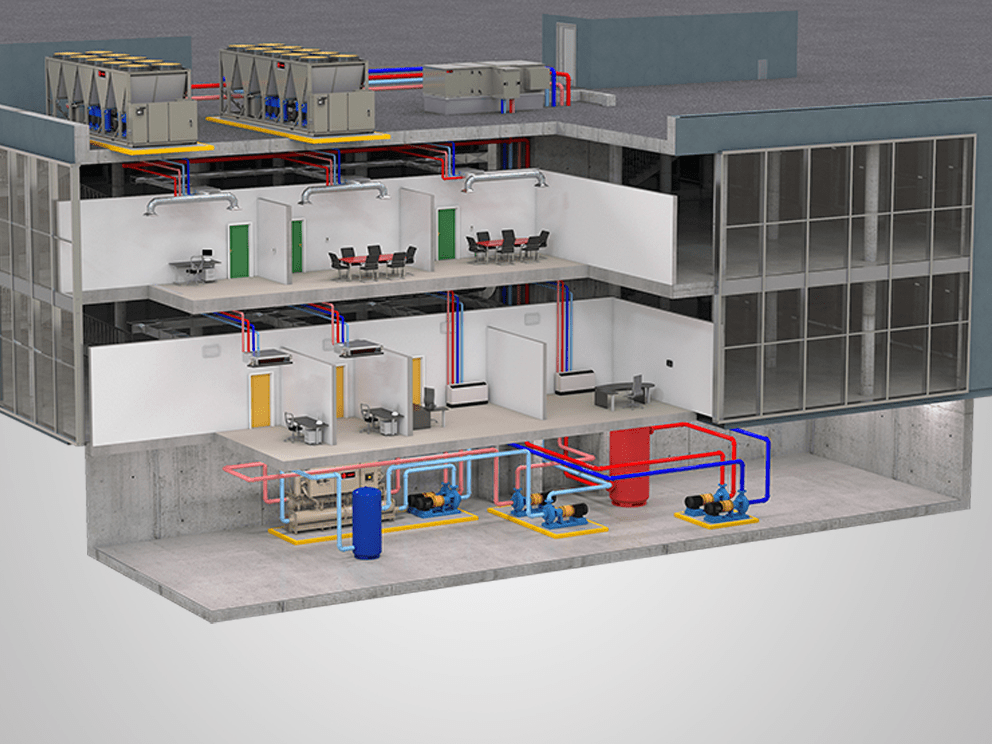
The presentation provides design engineers with a better understanding of the "big picture" of building
energy use, including the impact of the building envelope, lighting, plug loads, and processes and
covers common mistakes made when modeling for LEED points. What you will learn:
- Energy-saving strategies to implement for various HVAC system types to help earn LEED points.
- Understand the "big picture" of building energy use (impact of building envelope, lighting, plug loads, processes, etc.)
- Learn how energy-saving strategies can help achieve LEED certification (both NC and EB) and tax deductions available through the Energy Policy Act
- Learn the most common mistakes made during energy modeling and LEED energy analysis projects.
Presentation handouts
Includes presentation slides, presenter biographies, outline and bibliography.
Take the quiz
Assessment is required by USGBC and AIA.
Please submit the form, take the quiz and Trane will provide you with a certificate of completion
documenting your online attendance.
Order a DVD of this program
Item number APP-CMC032-EN