Traditional split systems
From air conditioners to furnaces, split systems are some of the most commonly-used comfort systems in households today. The main difference between them is whether they use electricity or gas to heat your home since all three use electricity for cooling.
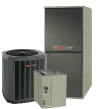
What is it: An air conditioner that’s paired with a furnace to cool and heat your home when you need it most
Heats with: Natural gas
Best for: Living in regions that experience prolonged periods of frigid temperatures
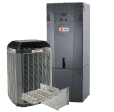
What is it: An energy-efficient, electric-powered system that delivers warm and cool air to every corner of your home
Heats with: Electricity
Best for: Living in moderate climates that don’t experience harsh winters
What is it: A versatile eco-friendly system that uses electricity and gas to heat and cool your home and lower energy costs
Heats with: Electricity and Natural gas
Best for: Switching between electric and gas heating when it’s best for your budget
Heating and cooling products
Explore heating and cooling indoor and outdoor units you can pair together to create the ideal HVAC system for your home.


Thermostats
Adjust how your home feels with thermostats that communicate directly with your system.


Packaged systems
Simplify your comfort with all-in-one HVAC systems that bundle heating and cooling components in a single box. Unlike split systems, these systems only use one outdoor unit and work best in mobile and modular homes or homes without basements or attics.


Ductless mini-split systems
Control comfort across your entire home or in a single room with these energy-efficient systems that heat or cool without ductwork.

Indoor air quality
Make your indoor air better to breathe, so you can stay healthier and limit your exposure to certain viruses, pollutants, and particles.


Smart connected features
Take advantage of smart tools and technology that give you next-level control over your comfort.

Coils
Experience year-round comfort and efficiency with coils that are built to stand the test of time.
